Showing posts with label surgery. Show all posts

Sunday, September 18, 2016

Rotation 2 – Solid Organ Transplant: A New Lease on Life

Posted by Emily VanWieren at Sunday, September 18, 2016

Rotation 2 – Solid Organ Transplant
A New Lease on Life
First Impressions
I was super excited to start my first day with the surgical transplant team. There are a multitude of complex medications used in transplant recipients, and I knew there would be a great role for a pharmacist on the team. I wasn’t super excited that rounds start at 6 AM. The first day I set my alarm at 4:15 was painful - I am not a morning person!

There were over twenty people on the surgical transplant team, which turned into a super intimidating herd of white coats blocking the hallways on rounds. The team was inter-disciplinary and consisted of physicians in all ranges of training from attendings on down to fellows, residents, interns, and medical students. There were Physician Assistants, Nurse Practitioners, and also the pharmacist. You could tell the team respected my preceptor because they straightened up when they heard her walking down the hall. She had recommendations on dosing, stopping this drug, starting that one, ordering new labs, and the team accepted the changes she suggested. I was so impressed by all her knowledge of the patients and their medications!

A Day in the Life
The team I was with transplanted livers, kidneys, and pancreases. My typical day consisted of early morning rounds with the surgical transplant team followed by rounds with the nephrologists in the morning and the gastroenterologists in the afternoon. In between rounds, I would look up questions from the medical team and talk to the patients. I interacted with even more interdisciplinary members of the team and I got a full appreciation of all the care that goes into each transplant recipient. There were social workers, nurses, discharge planners, dieticians, and even interpreters for a deaf patient.


My favorite part of this rotation was educating patients on their new medications. There are a lot of new medications transplant patients have to take to suppress their immune system and prevent infections and they have to take them on a very specific schedule. I taught them the names of their medications, why each one is important, when to take them, and when they need to get their blood levels checked. I got to establish relationships with the patients and it was cool to see their new lease on life and how serious they were about taking their medications to keep their new organ.

Megan and I were able to watch a kidney transplant from a living donor to a recipient. We weren't sure how our stomachs would handle it, but we were both so fascinated and didn't feel squeamish at all. The surgeons talked us through the procedures and we were able to see inside a living human's body! It was also cool to see the anesthesiologists in action since they choose, prepare, and administer all of the medications on the spot. It was humbling to see the whole process from donor to recipient and then educating the recipient on their new medications.


Reflections

On this rotation, I learned a lot about transplant medications and many other therapeutic areas such as diabetes, hypertension, and kidney and liver disease. It was very rewarding to be able to make an impact on patients’ lives by teaching them about their medications and how to support their new organ. On my next rotation, one of my patients recognized me and waved me down. She wanted to thank me again and tell me how well she was doing and that she hasn’t missed a dose. I spent many long days at the hospital and sacrificed sleep on this rotation, but it was well worth it to see the full impact of a pharmacist’s role on the medical team.

Wednesday, August 10, 2016

Rotation 2: Siiiick, brah! Or, Love at First CABG

Posted by Unknown at Wednesday, August 10, 2016

I've been consistently told that after each rotation, as in the Hozier song "Someone New," you'll fall in love just a little ol' little bit every day with some new pharmacy practice area [sic].

That happened for me in the Surgical Intensive Care Unit, or SICU, aptly pronounced as it houses the most critically ill patients in the hospital. I had the awesome opportunity of rotating at a newly dubbed Level 1 Trauma Center in a 20-bed unit comprised of patients from the Trauma Critical Care Service (TCCS) and Cardiothoracic Surgery Service (CTS): trauma surgery, cardiothoracic surgery, neurosurgery, vascular surgery, colorectal surgery, general surgery, otolaryngology, obstetrics, and orthopedic surgery.

Surgery isn't covered in our didactic curriculum, so I started the first day as a total derp (Deer in headlights with Extreme anxiety and Retrograde amnesia of Pharmacology). Thankfully, my preceptor reassured me that every P4 student feels the same way at first, and that I'd learn exponentially more on rotation than I ever did in class.

Pro-tip to avoid being a derp at any inpatient rotation: get familiar with your organization's intranet. Like, be best buds with that guy. An intranet is an electronic and readily available Room of Requirement. My personified conversations with the intranet went something like:

"How's the susceptibility to Bactrim here?"
"BOOM."

"Yo, can we get rid of the IV PPI?"
"I got 99 million guidelines and Stress Ulcer Prophylaxis is one."

"Are any of these 14 drugs dialyzable?"
""

What was a typical day like?
I arrived at 6:30 to work up patients until rounds. Once we had gauged the number and acuity of the patients on the floor that morning, my preceptor and I would round with either TCCS at 9:00 or CTS at 8:45. TCCS is a teaching service that consists of an attending surgical intensivist, surgical critical care fellow, surgical and medical residents, a clinical dietician, a respiratory therapist, nursing, and a clinical pharmacist on rounds, whereas CTS is physician assistant-led. Side note: the health care professionals I worked with are truly impressive. Many of them are nationally renowned in their respective specialties, and the cardiac surgery program here ranks in the top 15 in the nation (among 400+ other hospitals' Consumer Reports' Ratings).

After rounds, which lasted anywhere from an hour to several hours depending on how many patients were on the service, I would often bombard my preceptor with a myriad of questions. Side note: the thing about being curious and wanting to learn is that it'll almost always result in self-assigned drug info questions, which present as both a curse and a blessing in disguise. I encourage you to embrace this curse.


I had 1-2 critical care topic discussions each day with my preceptor before and/or after lunch, which helped keep me on my toes. In the afternoons, I'd re-work up my patients to see what changes were made after rounds and/or any surgeries and give patient presentations to my preceptor.

What neat stuff did you get to see?
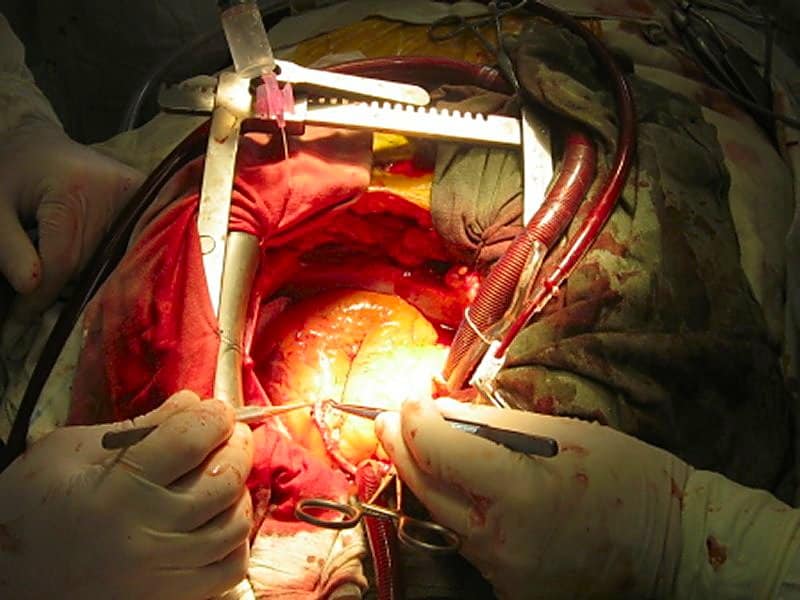
Neutropenic enterocolitis, esophageal rupture, necrotizing pancreatitis, aortic dissection, traumatic brain injury, motor vehicle accidents, buzzword buzzword. Also got a bird's eye view of a coronary artery bypass graft (CABG) and saw a lower lobectomy.


What do you wish you knew going into the rotation? How can I prepare? Clinical pearls? Coffee choice? HALP

I finally realized that having a wealth of education as a P4 student isn't necessarily what leads to success. Initially, I was mortified by my extreme deficit of therapeutic knowledge. But while pharmacists need to know a lot of information, they don't necessarily have to memorize every detail of every drug ever made (just most of them, ha!). Pharmacy school can't teach you everything you need to know in 3 years. What it can do is teach you how to think like a pharmacist and how to find the information you need to facilitate patient care.

Something you don't learn from a textbook is how to interact with the medical team to optimize treatment. I've decided that I need to create some sort of cheesy alliteration to help others combat this, and I hereby give you the three C's:
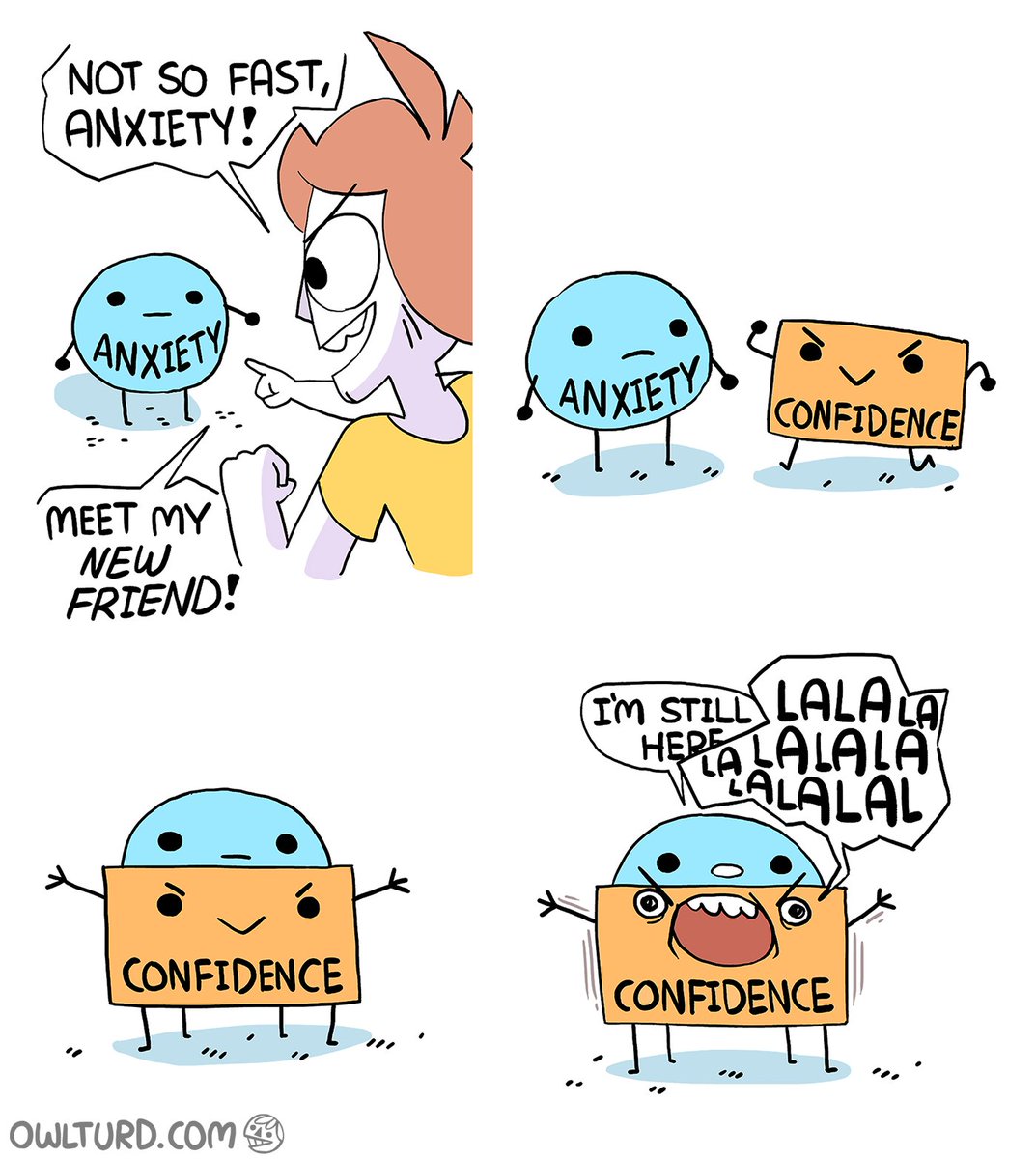
  1. Confidence: You can be incredibly informed on a certain subject and still appear as unintelligent if you're visibly nervous. Some of my battles during this rotation were convincing myself that I actually did know what I was doing and beginning to speak up during rounds. Certainly don't rattle off about something you're not 100% sure about—that's what the "I'll look it up and get back to you" card is for. But speak with conviction, and more people will take heed of your recommendations (even if you're a student who's rounding alone!)
  2. Camaraderie: If you don't get along with the people you work with, team decision-making is going to be as productive as a day in the life of Snorlax. I had the opportunity to talk to PAs, nurses, residents, patients, and their families about things unrelated to work (like Ann Arbor restaurants and mutual desires for caffeine gtts). Walking up to someone, being personable, and making a recommendation face-to-face is much more effective than paging someone in what might be interpreted as a passive-aggressive tone. 
  3. Credibility: You know who you should add to your BFF list along with the intranet? Evidence-based medicine (EBM). EBM is the realest thing you'll use to stay up to date with pharmacy after you've left the classroom. Your recommendations will be more compelling if they're supported by well-designed, peer-reviewed research. Keep up to date with the lit—there's an app for that. 

Actually, instead of using cheesy alliteration, you could probably just refer to Aristotle's Modes of Persuasion. (Man, this is like when 14-year-old you thinks you've come up with a catchy guitar riff and it ends up being a Fratellis song because you've listened to Costello Music religiously).

Anyway, these skills really made me feel like a boss as time went on. For example, when a traumatic brain injury patient was newly admitted, I reviewed the patient's profile and discussed 5 interventions I wanted to make with my preceptor before rounds. Sure enough, all of them had been implemented when I checked the medication administration record (MAR) later that day. *mental self-high five*


Any cool pharm perks?
Someone ALWAYS brought in donuts or brownies or chocolate or D) all of the above to share. I'm not a huge sweets person, but the constant supply of glucose I was exposed to was unreal.

I also lunched and learned so hard. Besides the fact that I got free food each Thursday (heyooo), I saw cool presentations about medical decision making for organ donation, ventilator settings and the importance of checking the ABG (arterial blood gas, not aznbbygurl) and M&Ms. M&Ms (Morbidity and Mortality Conferences) are an Accreditation Council for Graduate Medical Education (ACGME) mandated educational series that occur regularly at all institutions that have residency training programs. The medical team reviews real patient cases involving either poor or unintended outcomes which might have been due to or worsened by error, "near misses" in which an error could have resulted in a poor outcome, or interesting and unique cases. Then, they discuss what went wrong, what could have been done differently, and what can be done to prevent such events from occurring in the future. Super sick stuff.

In addition to my day-to-day activities, I wrote antimicrobial stewardship notes, conducted a journal club, and delivered an in-service about the pharmacologic management of pain, agitation, and delirium in the ICU to the CTS team. Overall, this was a great practice site at which clinical pharmacists work alongside and are respected by their colleagues. I'm pretty stoked for my next direct patient care gig. As Hozier says, "Love with every rotation, the stranger the better." 

Wednesday, July 27, 2016

Two Professions at Once: Surgery Generalist

Posted by Unknown at Wednesday, July 27, 2016

After my first rotation at a local community pharmacy I was finally due for my first clinical rotation--generalist. This rotation is required for all University of Michigan pharmacy students and (looking back) a great way to kick off my clinical experiences. A few weeks prior to my assigned block we got a survey asking us to rank which generalist sub-specialty we were most interested in. We could choose between Internal Medicine (pediatric and adult), Surgery, Cardiology, and the pediatric intensive care unit (PICU). Before long, I was assigned to Surgery.

I had no idea what to expect. Surgery (of any type) is not exactly something that we cover in school and while I find it fascinating I had zero practical knowledge about how to manage these people. To be honest, I knew very little about how to manage a 'regular' patient, let alone one that we've gone in to and moved a whole bunch of things around.

Due to the way that preceptor schedules worked out, I spent three weeks with a general surgery unit and the remaining two weeks with a urology surgery unit. The units work a little differently:

A Day In the Life on General Surgery

Arrive at 7 AM to begin working up patients. I live on the south side of campus but the buses come every 10 minutes and there is virtually no traffic. For the general unit there are no formal rounds that pharmacy is a part of (they happen at 5 AM!). As a consequence, we meet with the Physician's Assistants that are doing most of the day-to-day clinical management around 11 AM to discuss our interventions. This meant that I would work up my patients until about 9 or 9:30 AM, then meet with my preceptor. We made a point of staying out in the conference room where the medical team worked to be accessible for drug related questions. We would walk through each patient, each problem, and discuss what information we needed (usually the people who knew were right behind us!) and why, then make recommendations accordingly.

Surgery patients are challenging in that every third word is a strange surgical term or acronym. Down the literature rabbit hole I would go to find out what is going on and determine how their medications might be affected. Regardless of the procedure, the four main areas we focus above and beyond the typical dosing, safety, and interactions are home medications, nutrition (pharmacy owns IV nutrition like TPN and PPN), anti-infectives, and anti-coagulation.

By the time that process was finished it would be 11 AM or so and I would have a dozen things to follow-up with patients and nurses, disease states to look up and apply guidelines or literature to, drug-information questions to research, as well as counseling and education to complete.

Somewhere in there, I would take 20 minutes for lunch before meeting back in the pharmacy for a quick follow-up with my preceptor and discuss our plans before jumping into a one-on-one topic discussions with one of the surgery pharmacists. We covered a wide range of topics from toxicology to common procedures for X, Y, or Z disease state, infectious disease and much, much more.

This would be immediately followed by a student led topic discussion, case presentation, or journal club (we each had an assigned afternoon for each of those three things spread out over the five weeks) that wrapped up the day around 3:30 PM.

A Day in the Life of Urology

Urology works a little differently. They also have general rounds that pharmacy does not participate in directly, but instead have interdisciplinary rounds led by the urology intern/fellow around 8 to 8:30 AM. I would quickly look over my patients beforehand (not a full workup) to see if there were any major, urgent issues to review before briefly meeting with my preceptor to discuss things before heading upstairs to rounds. These are primarily an information gathering session--notes in the electronic medical record can often be a day behind so these allowed us to get up-to-date on the plan and goings-on for each patient in our service. Any major questions we have are answered (and we get a fair number of questions ourselves!) before heading back down to report out. A full workup of each patient follows, along with the same walk-through-each-patient as before, go talk to the team as before, and a dozen things to look up and follow-up on as before.

There is still room for lunch before the afternoon progresses just like before with topic discussions, case presentations, and journal clubs.

In each case, there are usually a handful of things to finish during the evening hours, but never so many that you can't hit the gym, relax a little, get some other work done, and make dinner before getting some rest and doing it again the next day!

--

Now on my last few days, I can safely say that I have learned an enormous amount and that this is a fantastic springboard for my next rotation: infectious disease! See you again soon!