Showing posts with label critical care. Show all posts

Tuesday, February 5, 2019

Rotation 4, 5, 6: Drug Information, Critical Care, General Medicine

Posted by Andrea at Tuesday, February 05, 2019

Rotation 4: Drug Information

This rotation was with a drug information company and I was able to work remotely, as my preceptor also works remotely. We met two to three times a week for about one hour and communicated often during the week via email. My responsibilities were to write monographs for drug-drug interactions and drug-gene interactions (e.g. CYP2D6, CYP4A4, etc.). This consisted of reading lots of articles, learning how to scour PubMed for literature, and writing concise summaries.

Time management was incredibly important in this rotation. I had the freedom to create my own schedule each day, but this also allows for time to slack off. I had to hold myself accountable and ensure I completed my work. I learned a lot about what goes into writing the monographs when we search our drug information resource for quick answers about drugs and interactions. I always thought I would enjoy working by myself, so I was surprised that I missed interacting with co-workers and patients daily. Looking forward, I hope to find a position that balances independent work with teamwork or direct patient care.

Rotation 5: Critical Care

This rotation was in the surgical intensive care unit (SICU) at a local community teaching hospital. Going into this, I was nervous and intimidated by the complexity of critical care patients. My typical day started with working up patients (6AM-9AM), round with the team (9AM-11AM), eat lunch and finish working up patients (11AM-12PM), then meet with my preceptor (12PM-1PM). After this, I would work on assigned drug information questions or projects for the rest of the day. Working up patients in the ICU is based on the head to toe systems approach, rather than problem based like how we learned in class. This means problems were categorized by systems, which could include neurological, pulmonary, cardiovascular, GI/FEN (fluids, electrolytes, nutrition), I/O (ins and outs), ID, and heme. Patients were very sick and often had multiple problems within each system listed above.

I am very grateful to have had this rotation. I have a much better understanding of anatomy and how surgical changes can affect drug action/metabolism in the body. I also learned about weaning patients off pressors, opioid conversions, and nutrition. I had the opportunity to work with a large team, which consisted of an attending, fellow, residents, medical students, and dietitian. I also enjoyed working with my preceptor who was a great teacher and with another pharmacy student from a nearby school! Overall, this was a great learning experience and I am glad I was able to try it out.

Rotation 6: General Medicine (Adult Internal Medicine)

All P4 students are required to take the Gen Med rotation and I was placed on the Adult Internal Medicine service. This was a busy rotation, due to the patient load and weekly projects. My service capped at 11 patients and by the end of the rotation, I was managing the entire service. Patients had a variety of disease states, including pneumonia, UTIs, atrial fibrillation, and diabetes. The typical day started with working up patients (5AM-7:30AM), pre-round with my preceptor where I would present patients and run my recommendations by him (7:30AM-8AM), round with the team (8AM-11AM), and post-rounds with my preceptor where I would update him with any changes (11AM-11:30AM). The rest of the day was spent educating patients discharged on anticoagulation, meeting with my preceptor to go over patients or topics, and meeting with the other students also on Gen Med to present our projects. Time management and efficiency are key to this rotation and each student will develop their own schedule or system that works for them.

Pharmacists play an important role in antimicrobial stewardship and anticoagulation management on this service. I enjoyed the variety of patients and activities in this rotation. I was constantly learning and it made the long days fly by. My advice to students is to embrace this rotation and challenge yourself to learn as much as you can!


This rotation ended just before the holidays and I am currently on my off block. After this, only 2 more rotations until graduation!

Gen Med Block 6 students wearing our ugly Christmas sweaters!

Thursday, December 29, 2016

Rotations 4-6: Working from Home, the MICU, and the Off-Rotation/Midyear

Posted by Jared at Thursday, December 29, 2016

Hello everyone! Apologies for the delayed post, but the last couple months have been quite a busy time! I'll summarize my last few rotation experiences below. Heads up, it's quite long!

Rotation 4: Drug Information

My fourth rotation was actually a work-from-home rotation! I worked for a drug company database alongside a fellow P4 student. The projects we were typically responsible for involved various inquiries from customers of the database (typically healthcare professionals) or drug companies asking us to clarify a statement about their drug that was listed in the database. Other times, we would have to look into evidence because a drug company was trying to prove that what we had in the database was false. We also typically looked into drug interactions that might not be present in the database, and wrote up drug monographs for these based on the research we found.

A typical day involved us meeting our preceptor a few times a week at an off-site location to discuss our assignments, what we found, and to discuss new things that came up. Afterwards, we were free to do as we pleased with our schedule, as long as we finished up the tasks given to us and e-mailed our preceptor with updates. This rotation really tests your time-management skills, as you really could slack off given the lack of normal structure. I tended to do many of my projects at night, as it's easier for me to work on projects like that at that time frame due to years of undergrad and pharmacy school studying. However, I really enjoyed this rotation as it helped to beef up my research skills and further interpretation of drug literature and drug labels. I got better experience understanding pharmacokinetic (PK) data and using PubMed, as often my preceptor would find things that neither me or the other student on rotation would find about our respective assignments. We also got the chance to read through foreign drug labels to help write our monographs, and they're quite different in the data that they provide compared to those here in the US!

I also appreciated this rotation, as it gave me time to finish up my PDI. If you're interested in seeing a different side of pharmacy and believe you can handle managing the time on your own, I would highly recommend this rotation! I really learned a lot more about searching strategies and drug interactions. 

Rotation 5: Critical Care - MICU

My fifth rotation brought me back to the hospital for another inpatient rotation, this time in the medical ICU at UMHS. This was actually my first rotation at UMHS, so I was both nervous and excited at the same time. However, this time I had another student with me on rotation, which was a welcome change from my infectious diseases rotation where I was the lone student.

Typical Day:

6 AM: arrive at the hospital to work-up patients.
7:30 AM: table rounds. This is when the night team would typically hand over new admits to the day teams. Also at this time, the attending doctors would typically go over various topics for the residents (i.e. sepsis, sedatives, etc.)
8:30 AM - 11 AM : Rounds. The MICU at UMHS is divided into two teams: Maize and Blue. For students on this rotation, typically one P4 will take each service and pick up all the patients for that service. There's about 20 beds or so (forgot the exact number) on the unit, so typically you'll have 8-12 patients at a time that you have to follow. For most of the time, we would each round with a pharmacist (either my preceptor or the resident on our rotation at the time). 
11 AM - 1 PM: lunch/preparation. Usually after rounds, we would have lunch, prepare for discussing our patients with our preceptor, or look up questions we were asked.
1 PM - 3 PM: At this point, we would meet with our preceptor and the resident to discuss our patients. We would typically go over our patients, discuss their status, and the changes the team made to their drug therapy. Often here, or during rounds, we would get asked what we thought about their changes. We would also discuss a certain topic that was relevant to critical care, such as sedatives, electrolytes/fluids, sepsis, etc. 
In terms of drug therapy, antibiotics were huge in terms of the pharmacist role. In the MICU, the general trend is to just throw a very broad-spectrum regimen as the patients are extremely sick (vancomycin and Zosyn are huge workhorses). We often had to remind the residents or the team that after 3 days, they needed to get ID approval to continue using vancomycin. Also, we would often recommend adjusting the antibiotics based on culture data and whether the patient was getting better/worse. The other big thing we looked for was renal dosing. Often, many of these patients developed AKIs that sometimes required them to go on dialysis or CRRT temporarily. I would always get asked if drugs were adjusted correctly given the renal function, along with when would be best to order levels for vancomycin or aminoglycosides if they were on one.
  
The MICU was challenging to me because the most common problems we saw were of a respiratory nature (i.e. respiratory failure, ARDS, etc). Beyond pneumonia, the presentation and therapies to treat these type of patients were completely foreign. Often, ventilator settings would be the common route for the team to adjust, and I generally had no idea what it meant. After the rotation, I have a better understanding of it, but I would definitely need more exposure to that and another review of the basic concepts. I also got a great refresher of topics we had learned in therapeutics that I personally wasn't great at, such as electrolytes, metabolic acidosis/alkalosis, vasopressors, and sedatives. Sedation strategy was another thing that often came up in the ICU, and I never really thought to think about it until this rotation.

Ultimately, I think a critical care rotation is a terrific experience, and one I would highly recommend. While it's not my favorite area of practice, I think it offers valuable lessons that would be useful in any setting of practice. You really get exposed to a lot of different clinical areas as these patients present as very complex cases, and you learn to prioritize what really needs to be solved now vs. what could be dealt with at a later time. Finally, it also really hits a number of gaps that our curriculum is unable to cover, particularly on the respiratory side of things.

Rotation 6: Off-Rotation / Midyear

Initially, I chose rotation 6 as my off rotation as I wanted to have time to attend Midyear and work on residency applications/letters of intent, as well as go on one last trip before graduation. However, this worked out for me really well for another reason. 

I had the opportunity to represent the College of Pharmacy at the 2016 International Forum of Pharmacy Students in Nanjing, China. This conference was sponsored and held by China Pharmaceutical University, which is one of the schools in China our College of Pharmacy has a partnership with. Here, I was asked to present a project that provided some insight into clinical pharmacy practice in the United States. In this case, I presented my PDI project as a glimpse into the roles of an infectious disease pharmacist in the US. I thought I was only going to be presenting my project in a small sub-forum, but I ended up being selected to present during the opening session in front of the entire conference, which had hundreds of attendees. Undoubtedly, I was nervous as I had just flown in from the US a couple days prior, but it ended up being a really great experience! I also got to meet other great student pharmacists from around the world, many of whom were there due to their connections with the International Pharmaceutical Student Federation (IPSF). Learning the differences in education and pharmacy practice between our respective countries was really interesting. After graduation, I'd like to get involved with the International Pharmaceutical Federation (FIP). After the conference, I had a chance to visit New Zealand, Australia, and Singapore. Needless to say, it was awesome and a perfect way to relax and clear my head before Midyear. Pictures below:

Some of the great student pharmacists I met at the conference in China

Skydiving in Queenstown, New Zealand

 Hiking the Ben Lomond Track: Queenstown, New Zealand

Mrs. Macquarie's Point at Sunset: Sydney, NSW, Australia

The famous Merlion in Singapore

Midyear

For those that don't know, the ASHP Midyear Clinical Meeting is the largest gathering of pharmacists and pharmacy students worldwide each year. It typically happens around the first weekend of December. This year, it happened in Las Vegas. I will quickly mention that I'd recommend not getting back from a trip on the other side of the world and then flying to Vegas a couple days later. I had the worst jetlag I have ever experienced, which caused me to not to sleep well during my time in Vegas, and also took me quite a while to recover from.

Anyway, this meeting is very important for those of you that are pursuing fellowships or residencies. As I plan to go the residency direction after graduation, I don't know too much about the process with pursuing fellowships. All I can say is that it requires scheduling interviews ahead of time through the Personnel Placement Service (PPS) with the companies/fellowships you're interested in. In terms of residencies, Midyear is great because every residency in the country is present in one location for you to ask questions to their residents, preceptors, or program directors, and determine whether or not you want to apply to a program. So, for those of you that are looking for residencies all across the country (like myself), this helps to put faces to programs and answer some questions that weren't possible via simply e-mailing them. However, if you're only interested in Michigan residencies, Midyear might not be necessary for you. The SMSHP Residency Showcase that occurs in October has all of the Michigan residency programs present and allows you to meet the residents / program directors and ask questions there. Anyway, here's some tips from my experiences:

  • BE PREPARED. This really can't be overstated. You will hear this all the time in Dr. Kraft's Opportunities class and from anyone you ask about Midyear. Have updated CVs, business cards, etc. While you won't be handing out CVs to most programs, they sometimes will ask for it or provide a place for you to drop it off. I often heard that if they ask for a CV, it's typically a bad thing as there's so many people at Midyear most programs likely won't remember who you are. But, in my case, I went to a couple programs that did take them to help remember who stopped by their booth, and even got asked for one from a residency program director that I had a good conversation with. Also, many programs took business cards as well, possibly another way for them to keep track of who stopped by. 
  • Do your program research ahead of time. Prior to Midyear, go to the ASHP Residency Directory. It lists all the accredited ASHP programs by location and program type, along with giving a summary of the program and the links to the program's website for more information. Prior to Midyear, ASHP provides a schedule of when each program is available during the Residency Showcase, along with a map of where their booth is. The Residency Showcase is divided into three sessions: Monday, Tuesday AM, and Tuesday PM. Each program is only present during one of these times, so it's imperative you know which programs you want to talk to, where they're located, and when they're available.
  • Prepare questions for each program you want to talk to. From my experience, it didn't seem like you could just walk up to a program and ask them to give you a general overview of the residency. The residency showcase is like a zoo, with a bunch of frantic P4s trying to figure out their futures and many residents would be talking with multiple P4s at a time. With the limited time frame, you really want to get the questions that will make or break a program for you asked and answered. You could certainly listen to other people's questions and then ask something if you think of it on the fly, but it's easier to be prepared. I personally created a general list of questions I could ask most programs, along with specific questions that pertained to the programs I was visiting. 
  • Reach out to preceptors, professors, and alumni! Prior to Midyear, I reached out to a lot of people with help in terms of editing my CV, looking at my program list, asking questions about residencies, etc. Everyone at Michigan or those who have graduated from the program are extremely helpful and really want you to succeed. Your preceptors as well can give useful insight, especially if they're at a system you're interested in possibly obtaining a residency at. 
Finally, my last tip in terms of the application process: Ask for transcripts and letters of recommendation ahead of time. Fall grades will come out way too late for them to be sent to programs on time, so I would recommend immediately sending your transcript to PhORCAS once it comes out in November. Also, I would ask for letters of recommendation ahead of Midyear as well. Many preceptors and professors will understand that you may not have your program list finalized until after Midyear. However, it is good to ask them how they would like the references generated. With PhORCAS, you generate a request to your letter writers and can provide extra directions. For most programs, one general reference will suffice. But, if your writer knows someone at the program, sending another request that's more personalized to that program can be beneficial. When submitting the app, you can designate which specific request you want to assign to a program. This might not make much sense now, but it will when you go through the process.

Wow, sorry again for the long post! Hopefully there's helpful advice in there for you, and enjoy the rest of the holidays!

Wednesday, August 10, 2016

Rotation 2: Siiiick, brah! Or, Love at First CABG

Posted by Unknown at Wednesday, August 10, 2016

I've been consistently told that after each rotation, as in the Hozier song "Someone New," you'll fall in love just a little ol' little bit every day with some new pharmacy practice area [sic].

That happened for me in the Surgical Intensive Care Unit, or SICU, aptly pronounced as it houses the most critically ill patients in the hospital. I had the awesome opportunity of rotating at a newly dubbed Level 1 Trauma Center in a 20-bed unit comprised of patients from the Trauma Critical Care Service (TCCS) and Cardiothoracic Surgery Service (CTS): trauma surgery, cardiothoracic surgery, neurosurgery, vascular surgery, colorectal surgery, general surgery, otolaryngology, obstetrics, and orthopedic surgery.

Surgery isn't covered in our didactic curriculum, so I started the first day as a total derp (Deer in headlights with Extreme anxiety and Retrograde amnesia of Pharmacology). Thankfully, my preceptor reassured me that every P4 student feels the same way at first, and that I'd learn exponentially more on rotation than I ever did in class.

Pro-tip to avoid being a derp at any inpatient rotation: get familiar with your organization's intranet. Like, be best buds with that guy. An intranet is an electronic and readily available Room of Requirement. My personified conversations with the intranet went something like:

"How's the susceptibility to Bactrim here?"
"BOOM."

"Yo, can we get rid of the IV PPI?"
"I got 99 million guidelines and Stress Ulcer Prophylaxis is one."

"Are any of these 14 drugs dialyzable?"
""

What was a typical day like?
I arrived at 6:30 to work up patients until rounds. Once we had gauged the number and acuity of the patients on the floor that morning, my preceptor and I would round with either TCCS at 9:00 or CTS at 8:45. TCCS is a teaching service that consists of an attending surgical intensivist, surgical critical care fellow, surgical and medical residents, a clinical dietician, a respiratory therapist, nursing, and a clinical pharmacist on rounds, whereas CTS is physician assistant-led. Side note: the health care professionals I worked with are truly impressive. Many of them are nationally renowned in their respective specialties, and the cardiac surgery program here ranks in the top 15 in the nation (among 400+ other hospitals' Consumer Reports' Ratings).

After rounds, which lasted anywhere from an hour to several hours depending on how many patients were on the service, I would often bombard my preceptor with a myriad of questions. Side note: the thing about being curious and wanting to learn is that it'll almost always result in self-assigned drug info questions, which present as both a curse and a blessing in disguise. I encourage you to embrace this curse.


I had 1-2 critical care topic discussions each day with my preceptor before and/or after lunch, which helped keep me on my toes. In the afternoons, I'd re-work up my patients to see what changes were made after rounds and/or any surgeries and give patient presentations to my preceptor.

What neat stuff did you get to see?
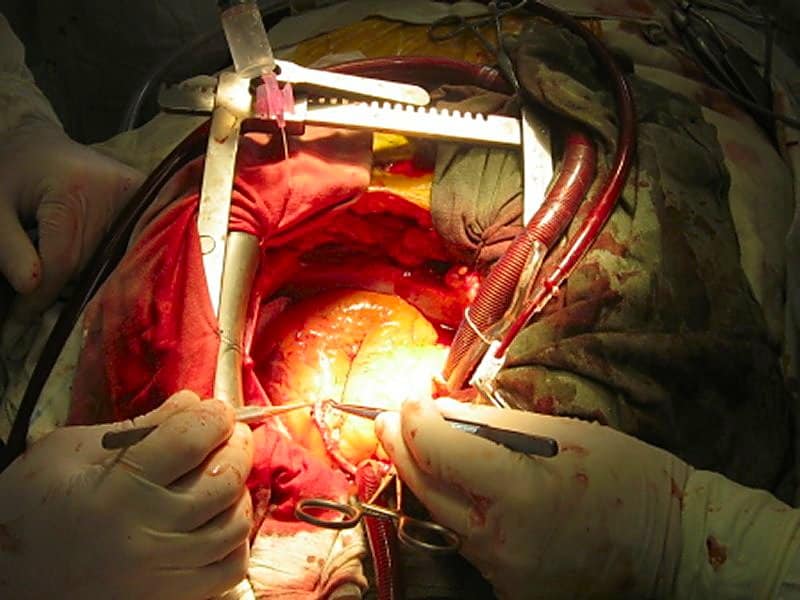
Neutropenic enterocolitis, esophageal rupture, necrotizing pancreatitis, aortic dissection, traumatic brain injury, motor vehicle accidents, buzzword buzzword. Also got a bird's eye view of a coronary artery bypass graft (CABG) and saw a lower lobectomy.


What do you wish you knew going into the rotation? How can I prepare? Clinical pearls? Coffee choice? HALP

I finally realized that having a wealth of education as a P4 student isn't necessarily what leads to success. Initially, I was mortified by my extreme deficit of therapeutic knowledge. But while pharmacists need to know a lot of information, they don't necessarily have to memorize every detail of every drug ever made (just most of them, ha!). Pharmacy school can't teach you everything you need to know in 3 years. What it can do is teach you how to think like a pharmacist and how to find the information you need to facilitate patient care.

Something you don't learn from a textbook is how to interact with the medical team to optimize treatment. I've decided that I need to create some sort of cheesy alliteration to help others combat this, and I hereby give you the three C's:
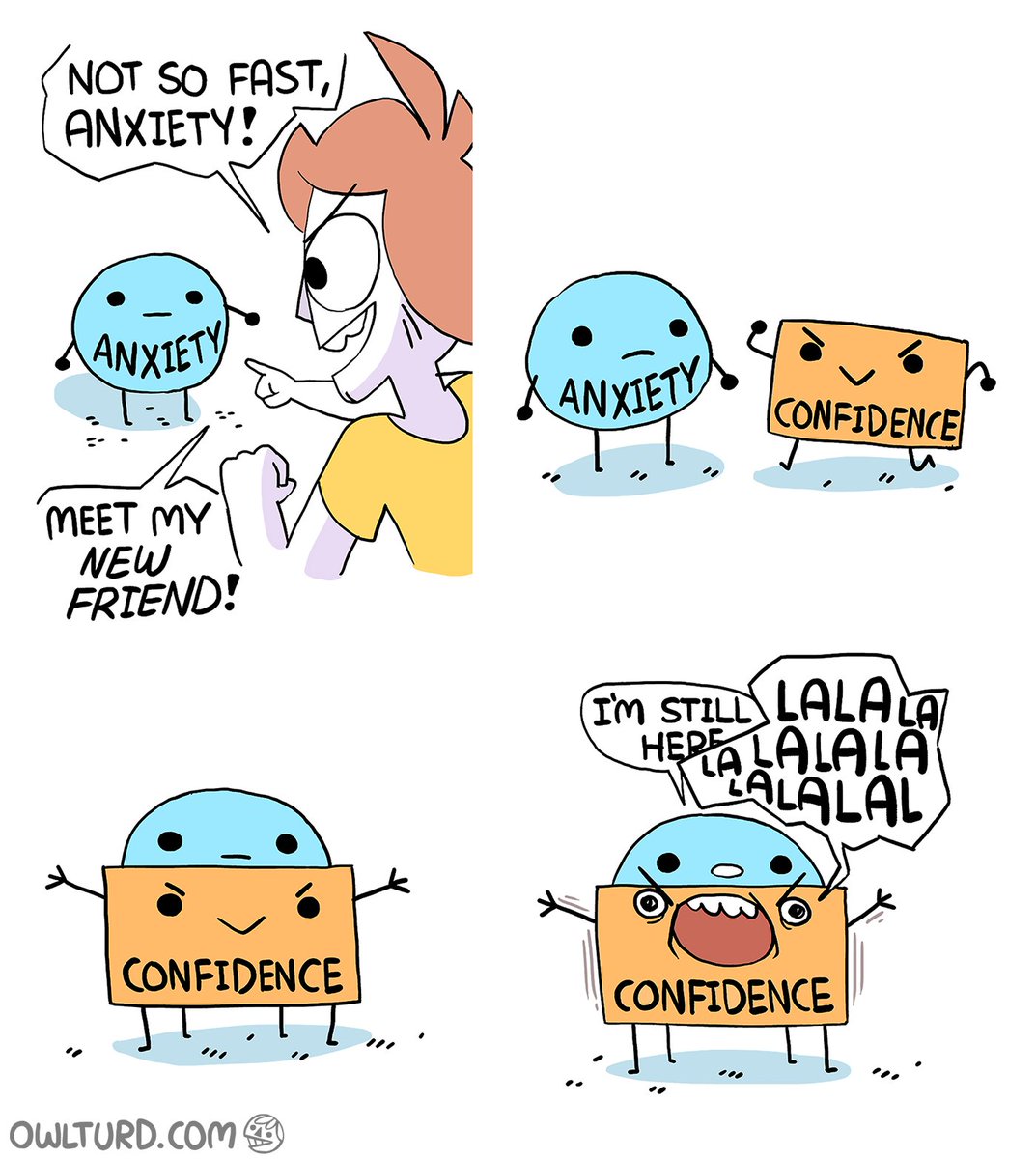
  1. Confidence: You can be incredibly informed on a certain subject and still appear as unintelligent if you're visibly nervous. Some of my battles during this rotation were convincing myself that I actually did know what I was doing and beginning to speak up during rounds. Certainly don't rattle off about something you're not 100% sure about—that's what the "I'll look it up and get back to you" card is for. But speak with conviction, and more people will take heed of your recommendations (even if you're a student who's rounding alone!)
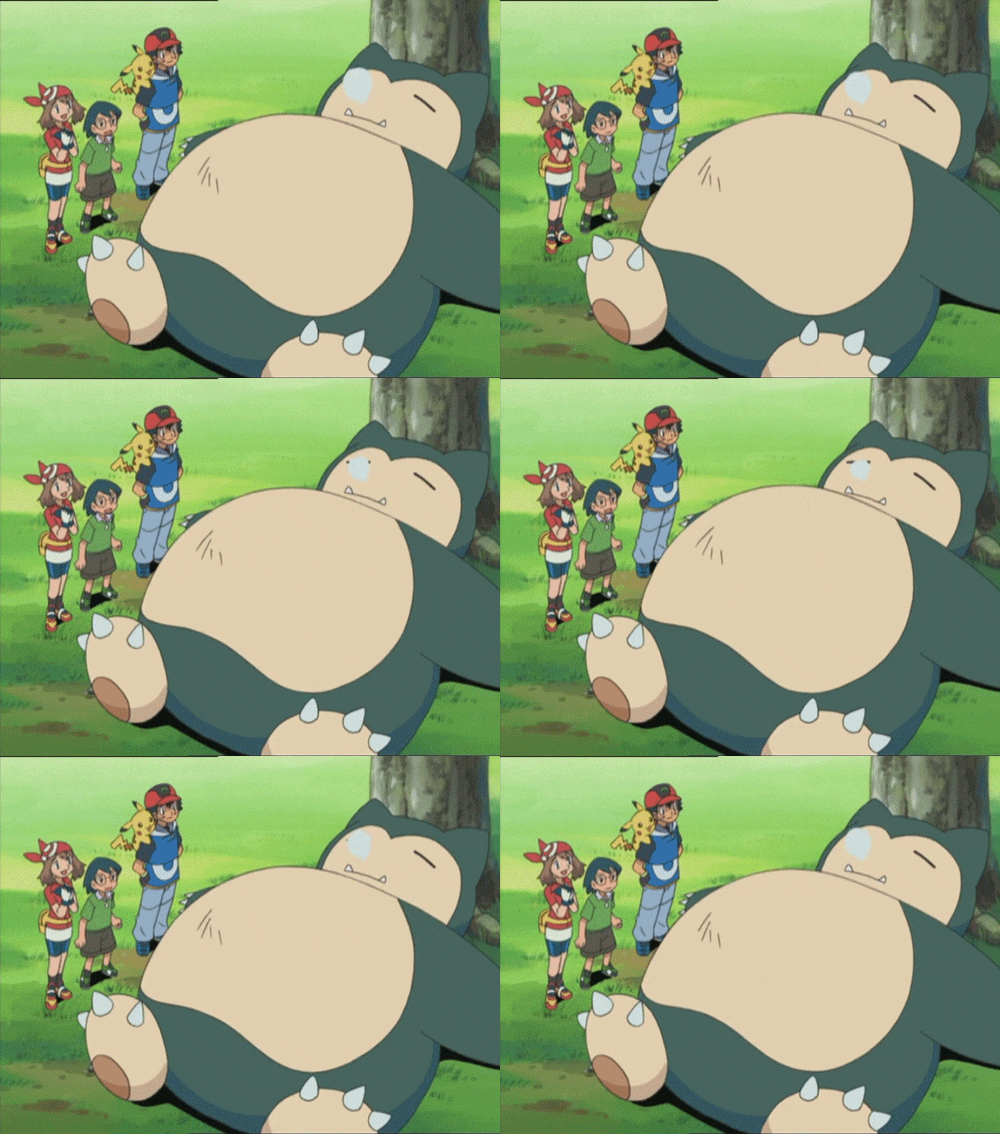
  2. Camaraderie: If you don't get along with the people you work with, team decision-making is going to be as productive as a day in the life of Snorlax. I had the opportunity to talk to PAs, nurses, residents, patients, and their families about things unrelated to work (like Ann Arbor restaurants and mutual desires for caffeine gtts). Walking up to someone, being personable, and making a recommendation face-to-face is much more effective than paging someone in what might be interpreted as a passive-aggressive tone. 
  3. Credibility: You know who you should add to your BFF list along with the intranet? Evidence-based medicine (EBM). EBM is the realest thing you'll use to stay up to date with pharmacy after you've left the classroom. Your recommendations will be more compelling if they're supported by well-designed, peer-reviewed research. Keep up to date with the lit—there's an app for that. 


Actually, instead of using cheesy alliteration, you could probably just refer to Aristotle's Modes of Persuasion. (Man, this is like when 14-year-old you thinks you've come up with a catchy guitar riff and it ends up being a Fratellis song because you've listened to Costello Music religiously).

Anyway, these skills really made me feel like a boss as time went on. For example, when a traumatic brain injury patient was newly admitted, I reviewed the patient's profile and discussed 5 interventions I wanted to make with my preceptor before rounds. Sure enough, all of them had been implemented when I checked the medication administration record (MAR) later that day. *mental self-high five*


Any cool pharm perks?
Someone ALWAYS brought in donuts or brownies or chocolate or D) all of the above to share. I'm not a huge sweets person, but the constant supply of glucose I was exposed to was unreal.

I also lunched and learned so hard. Besides the fact that I got free food each Thursday (heyooo), I saw cool presentations about medical decision making for organ donation, ventilator settings and the importance of checking the ABG (arterial blood gas, not aznbbygurl) and M&Ms. M&Ms (Morbidity and Mortality Conferences) are an Accreditation Council for Graduate Medical Education (ACGME) mandated educational series that occur regularly at all institutions that have residency training programs. The medical team reviews real patient cases involving either poor or unintended outcomes which might have been due to or worsened by error, "near misses" in which an error could have resulted in a poor outcome, or interesting and unique cases. Then, they discuss what went wrong, what could have been done differently, and what can be done to prevent such events from occurring in the future. Super sick stuff.

In addition to my day-to-day activities, I wrote antimicrobial stewardship notes, conducted a journal club, and delivered an in-service about the pharmacologic management of pain, agitation, and delirium in the ICU to the CTS team. Overall, this was a great practice site at which clinical pharmacists work alongside and are respected by their colleagues. I'm pretty stoked for my next direct patient care gig. As Hozier says, "Love with every rotation, the stranger the better." 

Sunday, October 20, 2013

Dare to Fare in Critical Care

Posted by Adam Loyson at Sunday, October 20, 2013


Since writing about my nephrology rotation in the outpatient/inpatient dialysis unit setting, I am now concluding a rotation in critical care at a small private hospital. This new chapter of my APPE experience has been truly amazing, calling upon every bit of my pharmaceutical knowledge to save patient lives.

Detective work
With my new-found confidence growing from just one rotation under my belt, I was up for a new challenge. Enter the critical care arena. Becoming oriented to the intensive care unit (ICU) brought many new opportunities. Starting from day one, I found myself judiciously evaluating the complex clinical status and pharmacotherapy of the patients I was following. I also began participating in multidisciplinary patient rounds for the first time.  Intimidated, yes; but I was determined to make a difference.

Patients arriving to the ICU from the emergency department were often diagnosed with numerous disease states, frequently more than I could count with two hands. These patients required intricate care, with physicians often asking the pharmacist and me for our advice on the direction, agent selection, dosing, and duration of pharmaceutical care. With such inquiries, I quickly found myself becoming a supersluth in researching and recommending solutions from cardiovascular, respiratory, neural, metabolic, infectious disease, and gastrointestinal disease state guidelines. 

Endless opportunities
An exceptionally neat aspect about rotating in the ICU is the sheer number of interventions you can make as a student pharmacist. On a daily basis, I was involved in developing pharmacokinetic and therapeutic plans for patients receiving antibiotics (e.g., aminoglycosides and vancomycin) and anticoagulants (e.g., heparins and warfarin). I often encountered patients that required antibiotics for their recent onset of pneumonia, medications to convert their heart arrhythmia, or electrolyte supplementation. In these situations, I was able to educate the new medical residents about the appropriate agents, medicinal algorithms, and patient monitoring parameters to use.

In contrast to my last rotation in the dialysis unit, many patients in the ICU arrived with multi-organ failure. With elevated levels of acuity, many patients were prescribed complex medication regiments as inpatients.  Thus, I was able to answer many questions from nurses about drug interactions and intravenous line compatibility.

Evidence-based
The multidisciplinary team of physicians, dieticians, respiratory therapists, and nurses often consulted pharmacy services and inquired about the evidence behind particular therapies or signs of drug toxicity. My ICU experience  served as an excellent opportunity for gathering drug information, permitting me to evaluate literature sources for strength and relevance for the individual patients I covered.

For example, a patient was referred to the hospital and admitted into the ICU after taking four pills of diphenhydramine instead of one to help her fall asleep. The patient presented to the hospital with abnormal muscular spasms. After performing a quick search of the literature and contacting poison control, I recommended that an antimuscarinic agent be given for treatment.

Another pharmacy service that I participated in was the monitoring of per-protocol medication administration and assuring that standardized procedures were being met on a consistent basis based on patient care quality indicators. Such indicators that pharmacy would oversee include appropriate administration of a thrombolytic agent during a stroke, a benzodiazepine during alcohol withdrawal, or venous thromboembolism/gastrointestinal stress ulcer prophylaxis for patients during their ICU stay. Interventions were made if any practices were not in agreement with Joint Commission criterion or Medicare reimbursement models.

Continuous learning
Rounding out my rotation experience, I am happy that I have been exposed to the continually revolving care of ICU patients and the treatment of their medical conditions. Whether it is sepsis, hypertensive crisis, drug overdose, or acute coronary syndrome, I can assure you that I have learned substantially from the medication management in the critically ill patient population.  I recommend the ICU experience for any student pharmacists that are interested in challenging themselves and participating in a coordinated team to treat the extremes of human disease and ensuing ethical and social dilemmas.


Needless to say, this rotation has been a great opportunity to help me review for the pharmacy licensing exam!

Friday, October 5, 2012

Critical care!

Posted by Michelle at Friday, October 05, 2012

Salvete Omnes! A somewhat belated update from Rotation 3 here. (Rotation 4 is done today? Egads, *tempus fugit*!)

I greatly anticipated my third rotation with Dr. Denise Pratt at Sparrow Health System in Lansing since it was A) my first clinical and B) critical care! Needless to say, it did not disappoint.

I’ll provide a snapshot of my typical day in critical care. I arrived by 7 AM to work up my ICU patients. This meant identifying the patients assigned to my rounding team, reviewing their diagnoses, labs, drug therapy, and progress notes, and most importantly, making recommendations based on the above.  While this often required the assistance of large amounts of coffee, I absolutely loved having the ability to make global assessments of my patients. I had to evaluate everything from the mundane (stress ulcer prophylaxis) to the obscure (are my patient’s symptoms the result of a rare medication adverse reaction?)

After work up, rounds began at approximately 10 AM and lasted until *the acceptable time*. For some attending physicians, this meant 11:30 AM, whereas for others it meant 6:30 PM. I would make my therapy recommendations at this time, and also field any pharmacy-related queries from the medical team. Some of these questions I could answer from my topic reviews or by becoming fast friends with the drug info app on my phone. Others were more involved and required me to do things like call the lab to find out which stimulants are most easily detected on our drug tox screen.

Post-rounds, I would review my patients with Dr. Pratt. Some days we would have topic discussion about common diagnoses and therapies seen in the ICU: sepsis, pneumonia, COPD, CHF, acid-base disorders, sedation, analgesia, vasopressors, basic mechanical ventilation principles, diabetic ketoacidosis, stress ulcer prophylaxis, DVT prophylaxis etc. The range of medical problems seen in our patients was incredible: drug overdose, status epilepticus, serious adverse drug events, liver failure, encephalopathy.

Other duties of critical care rotation included journal club, a patient case presentation, and filling out multiple FDA MedWatch reports. If you are a student interested in tons of patient interaction, critical care may not be for you, as most of the patients are extremely ill and may be sedated or on mechanical ventilation. If, however, you are a student who loves to couple your extensive knowledge about complicated disease states with critical thinking skills to make great contributions in improving the care of your patients, then critical care is for you! :)

I loved this rotation. I think that came across in this blog.  :) The clinicians and pharmacists I worked with were excellent. But what was the absolute best part of this rotation, you ask? I discovered a major drug interaction in a patient, and the Chief of Staff called me a hero. **SO PROUD TO REPRESENT UMICH PHARMACY!** ‘Til next time, folks.

Monday, July 2, 2012

From Community...to Surgical ICU

Posted by Jessica Chen at Monday, July 02, 2012

Hello boys and girls, my name is Jessica! :) I'm originally from Los Angeles, California and I'm definitely am missing the beach filled summers of CA right now. Its so humid in Michigan! If you have any questions about anything Michigan/California/etc related, please don't hesitate to email me. Jesschen@umich.edu

My first rotation was a Target in Brighton with Dr. Joe Davis. I would HIGHLY recommend this particular site if you're interest is in community. I have about 6 years of retail experience (from undergrad and during pharmacy school) so Joe (that's what I call him now because we are buddies! haha) let me tailor the rotation to my taste. He suggested I do more leadership and business model rotation type projects. I definitely was excited to try something different! I still did some prescription filling, but in general I mostly counseled on medications, work on mini patient projects, perform blood pressure and diabetes checks, and I also went through the entire pharmacy to learn about EVERY SINGLE DRUG on the shelves. It was very tedious, but it really refreshed my memory. It was a wonderful first rotation and I was sad to leave!

So I went basically from 0 to 100 from community to the surgical intensive care unit (SICU). My preceptor is Dr. Melissa Pleva and so far I'm really enjoying her rotation. Don't get me wrong, the rotation is very CHALLENGING but not impossible. Dr. Pleva is always there to answer my questions and to challenge my pharmaceutical knowledge.

My typical day starts with arriving at the hospital around 6:30-7am depending on how many patients I see on Careweb (UM Hospital's electronic patient charts) the previous night. I work up patients and pay attention to any acute changes over night. From 8-11:30am we round! Rounding consists of the medical team going from one patient to another and talking about the patient's medical problems and why they are in the SICU. Our goal isn't to "cure" the patient, but to get the patient out of the ICU and into the main hospital (also called "floor status"). There is no reason to keep a patient in the ICU for more than necessary...also I was told a day in the SICU costs 5k! so expensive and a waste if its unnecessary. Anyway... back to the team! Our team is made up 1 attending, 2 fellows, 4-5 interns (1st year residents), 2 med students, a dietitian, a pharmacist, and 2 pharmacy students. In all, a HUGE team! Its very intimidating sometimes to even want to make a recommendation.

After rounds, we usually will talk about our patients and Dr. Pleva lets us go for lunch till 1pm. From 1-2pm, we present patients, go over pharmacokinetic dosing, or just other points of clarification that we didn't finish discussing after rounds because we were too hungry :( From 2-4pm, we have topic discussion with other critical care pharmacy students. We have readings assigned to us, and we discuss what we read and why its important in the critical care setting.


There you have it, community and surgical critical care in a nutshell! Now back to those readings for topic discussion....


Keep Cool! :)
- Jessica

Sunday, October 23, 2011

Am care and critical care review...

Posted by April at Sunday, October 23, 2011

Let us go back two months ago to my ambulatory care rotation. I was excited to start this rotation because the pharmacist plays an integral role in the management of the patient’s diabetes, hypertension and hyperlipidemia.

The most memorable moment was a quote from a patient that went something along the lines of “I do not believe I have diabetes.” Luckily, I was observing this moment and did not need to convince the patient that they did indeed have diabetes. This however did serve as a great way to integrate motivational interviewing into this interaction. We asked why the patient thought that and discussed how his symptoms and lab values were in accordance with a diagnosis of diabetes.

I also thought this rotation was valuable because of the drug monitoring focus. It reinforced how to manage and monitor diabetes medications.

Last month I started my first inpatient rotation, critical care. This environment was unique in that in was in a cardiothoracic intensive care unit. This unit is dedicated to the care of patient post cardiac surgery such as coronary artery bypass graft (CABG) or receiving a ventricular assist device. Suffice it to say there was a huge learning curve because none of this kind of stuff was taught in pharmacy school.

It was all good though. My preceptors were great. I had two of them and I learned so much. I also had topic discussions with other pharmacy students who were on a critical care rotation. I thought these were very helpful in fielding possible questions that I would get from the healthcare team. For example, we had a discussion topic on stress ulcer prophylaxis. The question that came up in regards to this topic was if a PPI was better than a H2RA. I felt like a real pharmacist being able to answer this question.

Overall, I am glad that I had this rotation and now I feel more prepared for my next inpatient rotation, transplant.