Showing posts with label inpatient. Show all posts

Monday, March 25, 2019

Rotation 8: General Medicine

Posted by Unknown at Monday, March 25, 2019

Today was my last first day of school ever!! In 5 weeks I will graduate with my PharmD from the University of Michigan and will be preparing for a residency program in Colorado!! There are lots of changes coming in the next three months and I'm feeling a mix of excited, scared and sad. Excited because of the great adventures awaiting me and my husband out in Colorado (professionally and personally), scared because of the major changes and transitions about to happen, and sad because I'll be leaving my family, friends and home. I'm planning on taking some time over the next three months to prepare for these changes in an attempt to leave this place and these people well.

One thing I know has helped prepare me for residency is the general medicine rotation I just finished. I was in the inpatient adult hospital working with a clinical pharmacist and a medical team taking care of patients admitted to the family medicine service. This was my most difficult and demanding rotation. I learned a ton, but it was extremely stressful. The service I was on had a maximum of 24 patients (most others had a max of 12 or 16), and there were multiple times we got close to that max. There were also 4 projects/presentations throughout the rotation, a weekend shift, and a dental on-call pager we were responsible for at different points during the rotation.

The biggest thing I want to tell future P4's is that you're likely going to need to re-learn how to work up patients. The way we were taught in school was very different than what I was expected to do. Also, every inpatient rotation is going to have you work up and present patients a little differently due to the nature of the services. Make sure you ask the preceptor how they do it and what they expect of you. We were taught in school to look into all of the details about the patient including the diagnosis and history details. As a pharmacist, those things are important, but you cannot spend all of your time investigating them. You are likely not going to be asked on rounds to present the patient, and so it is more important for you to focus on other things. You need to learn how to be efficient in looking into the pharmacy-related problems and monitoring parameters. This took me longer than I expected, but once I did, working up patients was much more smooth and took less time.
Additionally, MiChart has a TON of really helpful reports you can run that will save you a TON of time when working up patients. Make sure you ask your preceptor/classmates at the beginning of the rotation to make sure you are capitalizing on the reports already available to save you time.
Finally, you will be amazed by what you are able to learn and accomplish during this rotation. This is a hard rotation. But, it is only 5 weeks (you can get through 5 weeks), your workload will build up over the rotation, you'll start to see repeats of the same disease states, and you'll figure out how to get the work done. You'll be able to make it through this rotation! I was so encouraged when things came up during rotation that I hadn't known only a few days prior. Even today (my first day at the new rotation), something came up that I could speak to with confidence because of what I learned on my general medicine rotation. All of these things will prepare you for residency/job/life after school.

With that, I'll be back one more time to let you know how this last rotation goes!

Tuesday, February 5, 2019

Rotation 4, 5, 6: Drug Information, Critical Care, General Medicine

Posted by Andrea at Tuesday, February 05, 2019

Rotation 4: Drug Information

This rotation was with a drug information company and I was able to work remotely, as my preceptor also works remotely. We met two to three times a week for about one hour and communicated often during the week via email. My responsibilities were to write monographs for drug-drug interactions and drug-gene interactions (e.g. CYP2D6, CYP4A4, etc.). This consisted of reading lots of articles, learning how to scour PubMed for literature, and writing concise summaries.

Time management was incredibly important in this rotation. I had the freedom to create my own schedule each day, but this also allows for time to slack off. I had to hold myself accountable and ensure I completed my work. I learned a lot about what goes into writing the monographs when we search our drug information resource for quick answers about drugs and interactions. I always thought I would enjoy working by myself, so I was surprised that I missed interacting with co-workers and patients daily. Looking forward, I hope to find a position that balances independent work with teamwork or direct patient care.

Rotation 5: Critical Care

This rotation was in the surgical intensive care unit (SICU) at a local community teaching hospital. Going into this, I was nervous and intimidated by the complexity of critical care patients. My typical day started with working up patients (6AM-9AM), round with the team (9AM-11AM), eat lunch and finish working up patients (11AM-12PM), then meet with my preceptor (12PM-1PM). After this, I would work on assigned drug information questions or projects for the rest of the day. Working up patients in the ICU is based on the head to toe systems approach, rather than problem based like how we learned in class. This means problems were categorized by systems, which could include neurological, pulmonary, cardiovascular, GI/FEN (fluids, electrolytes, nutrition), I/O (ins and outs), ID, and heme. Patients were very sick and often had multiple problems within each system listed above.

I am very grateful to have had this rotation. I have a much better understanding of anatomy and how surgical changes can affect drug action/metabolism in the body. I also learned about weaning patients off pressors, opioid conversions, and nutrition. I had the opportunity to work with a large team, which consisted of an attending, fellow, residents, medical students, and dietitian. I also enjoyed working with my preceptor who was a great teacher and with another pharmacy student from a nearby school! Overall, this was a great learning experience and I am glad I was able to try it out.

Rotation 6: General Medicine (Adult Internal Medicine)

All P4 students are required to take the Gen Med rotation and I was placed on the Adult Internal Medicine service. This was a busy rotation, due to the patient load and weekly projects. My service capped at 11 patients and by the end of the rotation, I was managing the entire service. Patients had a variety of disease states, including pneumonia, UTIs, atrial fibrillation, and diabetes. The typical day started with working up patients (5AM-7:30AM), pre-round with my preceptor where I would present patients and run my recommendations by him (7:30AM-8AM), round with the team (8AM-11AM), and post-rounds with my preceptor where I would update him with any changes (11AM-11:30AM). The rest of the day was spent educating patients discharged on anticoagulation, meeting with my preceptor to go over patients or topics, and meeting with the other students also on Gen Med to present our projects. Time management and efficiency are key to this rotation and each student will develop their own schedule or system that works for them.

Pharmacists play an important role in antimicrobial stewardship and anticoagulation management on this service. I enjoyed the variety of patients and activities in this rotation. I was constantly learning and it made the long days fly by. My advice to students is to embrace this rotation and challenge yourself to learn as much as you can!


This rotation ended just before the holidays and I am currently on my off block. After this, only 2 more rotations until graduation!

Gen Med Block 6 students wearing our ugly Christmas sweaters!

Monday, September 17, 2018

Rotation 3: Infectious Diseases

Posted by Andrea at Monday, September 17, 2018

This rotation was a bit more busy for me, because I had my P4 seminar presentation. P4s are required to put together a 30-40 minute presentation for our class about our PharmD Investigations (longitudinal research project) or a pharmacy topic. The topic I presented about was the controversy of using steroids in septic shock. While this rotation did not require much outside work, most of my days after rotation were spent working on my slide deck or practicing my presentation. I was so glad to have finished this!

Rotation 3: Infectious Diseases
My third rotation was Infectious Diseases. This was my first clinical rotation and ID was a difficult topic for me in P3 Therapeutics, so I was nervous before starting this rotation. I had a variety of experiences on this rotation, including rounding with the ID team and antimicrobial stewardship. A typical day of rounding would start with working up patients (8AM-10:30AM), meeting with my preceptor to discuss patients (10:30AM-12PM), and end with rounding with the ID team which consisted of an attending, a fellow, a resident, and two med students (1PM-4 or 5PM). Rounds take a long time, because ID is a consult service so their patients are scattered all over the hospital. Days on antimicrobial stewardship were much different. The ID pharmacists share these responsibilities. There is disease-based stewardship, where antimicrobial therapy is reviewed and optimized for patients based on targeted disease states (e.g. HIV). There is also drug-based stewardship, where restricted drugs are reviewed for appropriateness (e.g. linezolid, daptomycin). These days were spent reviewing patient charts on the computer, followed by discussions with my preceptor. I also attended antimicrobial stewardship committee meetings (pharmacists and physicians discussed initiatives to optimize antimicrobial therapy), presented a topic discussion, and journal clubs. My preceptor would often send studies to read and discuss the next day.

Something I learned from this rotation was how to “work up” patients. We focused primarily on the ID problem. For each patient, we had to assess if the antimicrobial therapy was appropriate including drug, dose, frequency. To follow up, we assessed vanco and aminoglycoside drug levels and monitoring parameters.

Some questions I encountered on rounds were: Does this drug require renal/hepatic adjustment? Anyone know the patient’s creatinine clearance today? How do I dose this if the patient is getting dialysis? I also liked seeing how there was opportunity for pharmacists to develop wide-reaching initiatives through policy and guideline development. For example, they were trialing a pilot program for penicillin skin testing, creating guidelines for community acquired pneumonia treatment, and pediatric animal bite treatment guidelines. I really enjoyed this rotation!

Wednesday, August 10, 2016

Rotation 2: Siiiick, brah! Or, Love at First CABG

Posted by Unknown at Wednesday, August 10, 2016

I've been consistently told that after each rotation, as in the Hozier song "Someone New," you'll fall in love just a little ol' little bit every day with some new pharmacy practice area [sic].

That happened for me in the Surgical Intensive Care Unit, or SICU, aptly pronounced as it houses the most critically ill patients in the hospital. I had the awesome opportunity of rotating at a newly dubbed Level 1 Trauma Center in a 20-bed unit comprised of patients from the Trauma Critical Care Service (TCCS) and Cardiothoracic Surgery Service (CTS): trauma surgery, cardiothoracic surgery, neurosurgery, vascular surgery, colorectal surgery, general surgery, otolaryngology, obstetrics, and orthopedic surgery.

Surgery isn't covered in our didactic curriculum, so I started the first day as a total derp (Deer in headlights with Extreme anxiety and Retrograde amnesia of Pharmacology). Thankfully, my preceptor reassured me that every P4 student feels the same way at first, and that I'd learn exponentially more on rotation than I ever did in class.

Pro-tip to avoid being a derp at any inpatient rotation: get familiar with your organization's intranet. Like, be best buds with that guy. An intranet is an electronic and readily available Room of Requirement. My personified conversations with the intranet went something like:

"How's the susceptibility to Bactrim here?"
"BOOM."

"Yo, can we get rid of the IV PPI?"
"I got 99 million guidelines and Stress Ulcer Prophylaxis is one."

"Are any of these 14 drugs dialyzable?"
""

What was a typical day like?
I arrived at 6:30 to work up patients until rounds. Once we had gauged the number and acuity of the patients on the floor that morning, my preceptor and I would round with either TCCS at 9:00 or CTS at 8:45. TCCS is a teaching service that consists of an attending surgical intensivist, surgical critical care fellow, surgical and medical residents, a clinical dietician, a respiratory therapist, nursing, and a clinical pharmacist on rounds, whereas CTS is physician assistant-led. Side note: the health care professionals I worked with are truly impressive. Many of them are nationally renowned in their respective specialties, and the cardiac surgery program here ranks in the top 15 in the nation (among 400+ other hospitals' Consumer Reports' Ratings).

After rounds, which lasted anywhere from an hour to several hours depending on how many patients were on the service, I would often bombard my preceptor with a myriad of questions. Side note: the thing about being curious and wanting to learn is that it'll almost always result in self-assigned drug info questions, which present as both a curse and a blessing in disguise. I encourage you to embrace this curse.


I had 1-2 critical care topic discussions each day with my preceptor before and/or after lunch, which helped keep me on my toes. In the afternoons, I'd re-work up my patients to see what changes were made after rounds and/or any surgeries and give patient presentations to my preceptor.

What neat stuff did you get to see?
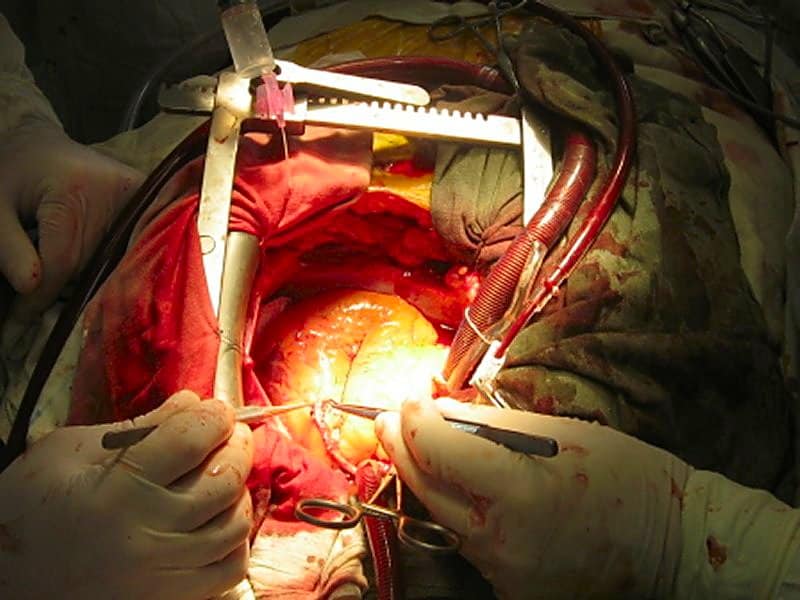
Neutropenic enterocolitis, esophageal rupture, necrotizing pancreatitis, aortic dissection, traumatic brain injury, motor vehicle accidents, buzzword buzzword. Also got a bird's eye view of a coronary artery bypass graft (CABG) and saw a lower lobectomy.


What do you wish you knew going into the rotation? How can I prepare? Clinical pearls? Coffee choice? HALP

I finally realized that having a wealth of education as a P4 student isn't necessarily what leads to success. Initially, I was mortified by my extreme deficit of therapeutic knowledge. But while pharmacists need to know a lot of information, they don't necessarily have to memorize every detail of every drug ever made (just most of them, ha!). Pharmacy school can't teach you everything you need to know in 3 years. What it can do is teach you how to think like a pharmacist and how to find the information you need to facilitate patient care.

Something you don't learn from a textbook is how to interact with the medical team to optimize treatment. I've decided that I need to create some sort of cheesy alliteration to help others combat this, and I hereby give you the three C's:
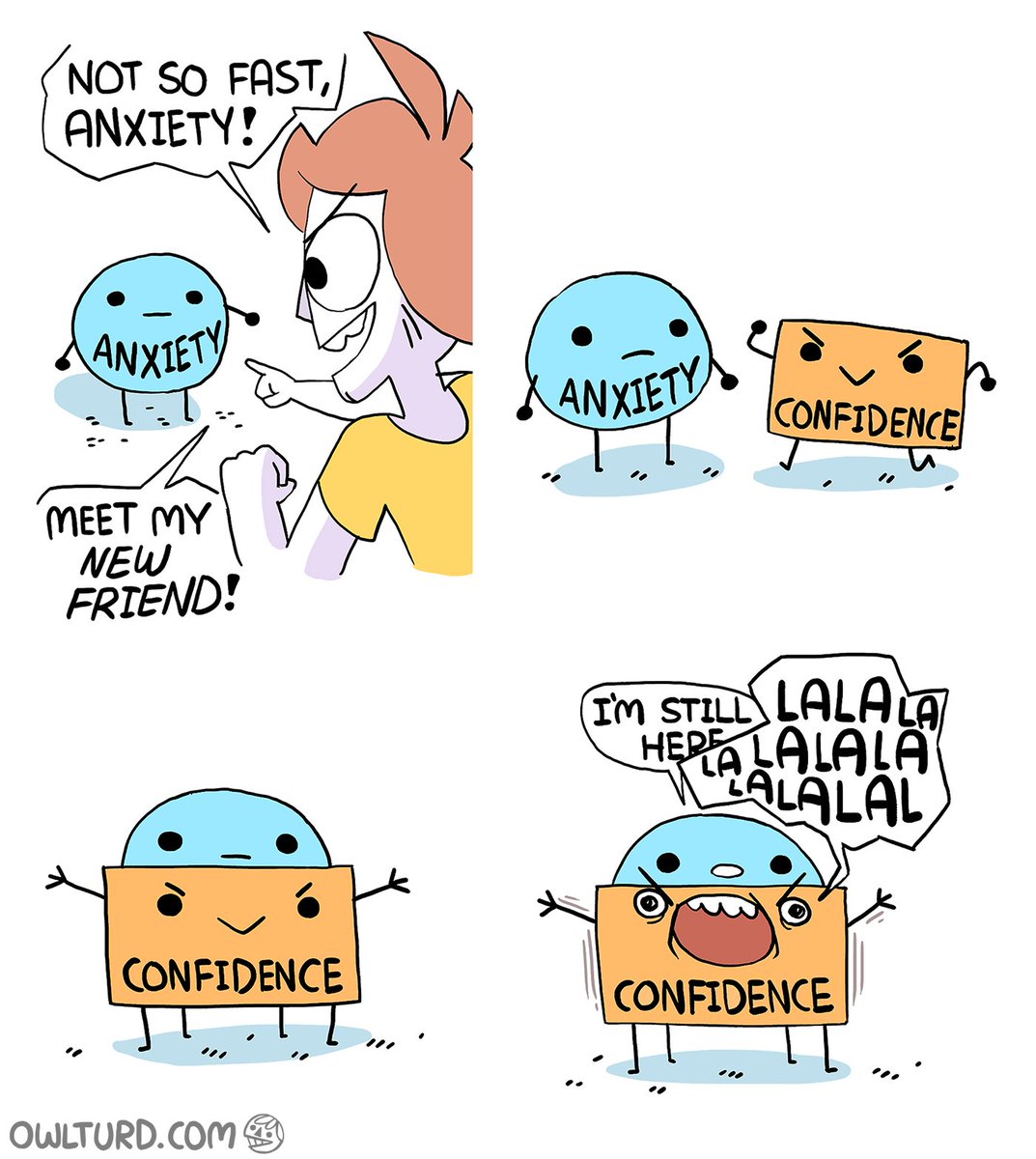
  1. Confidence: You can be incredibly informed on a certain subject and still appear as unintelligent if you're visibly nervous. Some of my battles during this rotation were convincing myself that I actually did know what I was doing and beginning to speak up during rounds. Certainly don't rattle off about something you're not 100% sure about—that's what the "I'll look it up and get back to you" card is for. But speak with conviction, and more people will take heed of your recommendations (even if you're a student who's rounding alone!)
  2. Camaraderie: If you don't get along with the people you work with, team decision-making is going to be as productive as a day in the life of Snorlax. I had the opportunity to talk to PAs, nurses, residents, patients, and their families about things unrelated to work (like Ann Arbor restaurants and mutual desires for caffeine gtts). Walking up to someone, being personable, and making a recommendation face-to-face is much more effective than paging someone in what might be interpreted as a passive-aggressive tone. 
  3. Credibility: You know who you should add to your BFF list along with the intranet? Evidence-based medicine (EBM). EBM is the realest thing you'll use to stay up to date with pharmacy after you've left the classroom. Your recommendations will be more compelling if they're supported by well-designed, peer-reviewed research. Keep up to date with the lit—there's an app for that. 


Actually, instead of using cheesy alliteration, you could probably just refer to Aristotle's Modes of Persuasion. (Man, this is like when 14-year-old you thinks you've come up with a catchy guitar riff and it ends up being a Fratellis song because you've listened to Costello Music religiously).

Anyway, these skills really made me feel like a boss as time went on. For example, when a traumatic brain injury patient was newly admitted, I reviewed the patient's profile and discussed 5 interventions I wanted to make with my preceptor before rounds. Sure enough, all of them had been implemented when I checked the medication administration record (MAR) later that day. *mental self-high five*


Any cool pharm perks?
Someone ALWAYS brought in donuts or brownies or chocolate or D) all of the above to share. I'm not a huge sweets person, but the constant supply of glucose I was exposed to was unreal.

I also lunched and learned so hard. Besides the fact that I got free food each Thursday (heyooo), I saw cool presentations about medical decision making for organ donation, ventilator settings and the importance of checking the ABG (arterial blood gas, not aznbbygurl) and M&Ms. M&Ms (Morbidity and Mortality Conferences) are an Accreditation Council for Graduate Medical Education (ACGME) mandated educational series that occur regularly at all institutions that have residency training programs. The medical team reviews real patient cases involving either poor or unintended outcomes which might have been due to or worsened by error, "near misses" in which an error could have resulted in a poor outcome, or interesting and unique cases. Then, they discuss what went wrong, what could have been done differently, and what can be done to prevent such events from occurring in the future. Super sick stuff.

In addition to my day-to-day activities, I wrote antimicrobial stewardship notes, conducted a journal club, and delivered an in-service about the pharmacologic management of pain, agitation, and delirium in the ICU to the CTS team. Overall, this was a great practice site at which clinical pharmacists work alongside and are respected by their colleagues. I'm pretty stoked for my next direct patient care gig. As Hozier says, "Love with every rotation, the stranger the better." 

Monday, August 1, 2016

Infectious Diseases - The Big Guns Come to Life

Posted by Jared at Monday, August 01, 2016

After my first rotation in ambulatory care managing patients with mostly hypertension and diabetes, I was doing a bit of a 180 in the clinical sense and jumping into the world of infectious diseases (ID). ID was by far my favorite section in therapeutics during pharmacy school, and I was both excited and nervous for this rotation, as I knew it was going to be a challenging rotation. I had the opportunity to do this at a hospital in Detroit, so I was interested to see how the patient population would affect the type of infections we would see and how these patients would be managed.

A Typical Day
I generally would get into the hospital at around 6:30 AM to work up the patients I was planning on presenting to my preceptor, along with following up on patients I was still following and finishing up my topic discussions. At around 9 AM most days, I would meet with my preceptor and present the two new patients I picked up on our service, do a topic overview of their disease state, present my assessment/plans, and then discuss patients I was still following. Afterwards, I would typically go on rounds for a variable amount of time, which was dependent on the schedule of the attending physician and fellows, as they had different commitments (clinics, didactic, meetings, etc.). Generally, we would round for about a few hours in the morning, then break for either ID Grand Rounds, a lecture, or journal club, and then re-convene in the afternoon and finish rounding, which usually got out anywhere from 5-6 PM.

Of note, ID services are typically consult services, so we would see patients on a number of floors, ranging from the internal medicine floors to ICU, Burn, Neuro ICU, and Surgery. Due to the nature of our service, which typically consisted of the attending physician, two fellows, two to three residents, the clinical pharmacist, and me, we would often get new consults during the day that we would need to address. On average, our service had around 12-15 patients, but could go up to 20-23 patients.

Expectations, Challenges, and Overall Thoughts
As I mentioned earlier, my preceptor required two new patient presentations a day, along with a topic discussion for each patient's disease state.  I also needed to follow all my patients that were previously presented that our service was still following, along with keeping an updated patient list that included the patient's infection, their antibiotic therapy and duration, along with notes about their treatment. Also, if any patients I was following were on aminoglycosides or vancomycin, I was responsible for doing the pharmacokinetic calculations by hand and showing it to my preceptor that morning when discussing dose recommendations. I also had to write a review paper on a topic of interest that could only utilize primary literature as sources (no review articles or textbooks).

Without a doubt, this rotation was a huge challenge on my time management skills. I would initially spend a lot of time both at home and in the hospital working up patients and putting the topic discussions together. My preceptor in particular challenged me to use only primary literature, rather than relying on class notes or textbooks to put these together. This was difficult for me at first, as not every disease state has a nice review or guidelines to go over and synthesize into a succinct presentation. After I ran through most of the common ID disease states (i.e. pneumonia, skin and soft tissue infections, bacteremia), I essentially picked what might be interesting to me or things my preceptor recommended to go over (i.e. tuberculosis, malaria). Often, I was in a time crunch in the morning, but as the rotation went on, I got much more efficient at putting together these topic discussions and working up my patients.

Also, while the topic discussions were time intensive in terms of preparation, it really helped to solidify my therapeutic knowledge. My preceptor was great at asking probing questions and really helping me to understand the reasons behind various concepts (i.e. why is IV drug abuse a risk factor for endocarditis?). Furthermore, the institution I rotated at doses vancomycin differently than what we were taught at UM. Rather than using a nomogram, they targeted AUC (area under the curve). This required me to essentially re-learn vanco PK, but it helped a lot with practicing those equations and solidifying my skills. Due to the nature of Detroit's patient population, I got to see a lot of patients with either MRSA infections or multi-drug resistant infections that required either those big gun agents Dr. Carver has us avoid using in therapeutics (i.e. daptomycin, linezolid) or unconventional combinations. Finally, the questions I got from both my preceptor and the clinical pharmacist that went on rounds daily helped me to understand why we spent so much time learning physiology and med chem by really "connecting the dots" between concepts I didn't think could relate to ID in the first place.

All in all, this was an extremely rewarding experience. I was constantly challenged and pushed to my limits, but I came out of it with a much more solidified therapeutic knowledge base of ID and a greater appreciation for the discipline. A PGY-2 in ID still isn't out of the question for me, but we will see what the rest of the year holds! For now, it's on to community and rotation 3!

Wednesday, June 17, 2015

Rotation 1: The Gospel According to Frame

Posted by Emily at Wednesday, June 17, 2015

My first rotation was something of a baptism by fire as I was assigned to the adult bone marrow transplant service at a large health center with Dr. David Frame.  As you can imagine, bone marrow transplant patients are a complicated population, so walking into the hospital on the first day was equal parts terrifying and exciting.  The first week was overwhelming as my two fellow rotation-mates and I learned to navigate the (abbreviation-filled) world of BMT.  For example, a typical progress note for a BMT patient might start something like this:

XY is a 40 yo male w/ AML in CR1 s/p 3+7 (idarubicin/ara-C) and s/p 3 cycles HiDAC followed by FluBu4 conditioning for MUD allo PBSCT on 5/1/15.  Admitted for intractable N/V/D with concern for GVHD.

Translation:  XY is a 40 year old male with acute myeloid leukemia in his first complete remission status post a chemotherapy course consisting of 3 days of idarubicin and 7 days of cytarabine, as well as three cycles of high-dose intermittent cytarabine, followed by four days of fludarabine and busulfan as preparatory conditioning for a matched unrelated donor allogenic peripheral blood stem cell transplant on 5/1/15.  Admitted for intractable nausea, vomiting, and diarrhea with concern for graft-versus-host disease.

Phew!  Fortunately, Dr. Frame gave us a high-level overview of the tenants of BMT on our first day.  There are two main types of bone marrow transplant: autologous and allogenic.

Autologous transplants are simply rescue therapy for patients who require incredibly high doses of chemotherapy to treat their blood cancer.  The patient's own hematopoietic stem cells are harvested and stored, the patient is given a course of high-dose chemotherapy that essentially wipes out their entire immune system because the regimens are so myelosuppressive, and then those stored stem cells are reinfused into the patient to save them from the toxicity of the chemo they received.

Allogenic transplants are a little bit more magical, as Dr. Frame put it.  In allogenic transplant, a patient's immune system is wiped out ("ablated") by high-dose chemotherapy, and then replaced with stem cells from a donor.  The idea is that the new immune system from the donor will recognize the patient's cancer cells as foreign and attack them, with the goal of getting rid of the cancer all together.  However, allogenic transplants are a careful balancing act because while we want the new cells to attack the cancer, we don't want them to attack the rest of the body.  Unfortunately, this is a relatively common occurrence in allogenic BMT referred to as "graft-versus-host disease" or GVHD.  Thus, allo patients are placed on immunosuppressive regimens including medications that are often used in solid organ transplant like tacrolimus or cyclosporine, mycophenolate, sirolimus, and/or steroids in order to prevent GVHD.

GVHD is a big concern for allo patients, but infection is a major issue for all BMT patients, especially immediately following transplant when patients' white blood cell and neutrophil counts essentially drop to zero.  Thus, all patients are placed prophylactically on an antibiotic, an antiviral, and an antifungal.     

The learning curve was steep, but I started to speak the language of BMT and feel more comfortable after those initial two weeks.  A typical day on this rotation looked something like this:

0630-0800 - work up patients at home 
I was never very clear on what it meant to "work up" patients before starting this rotation.  It's a phrase we hear thrown around a lot during pharmacy school, and it simply refers to following your patients' progress, monitoring their lab values, and most importantly, combing through their drug therapy to make sure all medications and doses are appropriate.  "Working up" a patient means developing a pharmacist care plan, complete with assessment of each issue and your plan to address and monitor the problem.  Patient work ups are the core of clinical pharmacy practice and are crucial if you want to meaningfully contribute to patient care during rounds.  I developed my own monitoring form specific for this rotation, since most BMT patients receive similar infectious disease prophylactic regimens, nausea and vomiting regimens, pain regimens, etc.  Having a service-specific form helped me to be more efficient as I increased my patient load.

0900-1200 - rounding with the medical team
The team was made up of an attending physician, "physician extenders" like physicians assistants and nurse practitioners who took rotating ownership of a fraction of the patients, a discharge planner, a registered dietician, and of course - the pharmacist!  Rounds generally lasted anywhere from two to four hours depending on the attending physician and the number of patients on the floor on any given day.  We would visit each patient's room as a group, and after the NP or PA presented an update of the patient's condition and problems that needed to be addressed, we would all go in to speak with the patient in person.  Rounding was not as high pressure as I expected it to be.  While Dr. Frame (and everyone else on the team!) loved to quiz us, they were all very understanding of the fact that we are still students and this was only our first rotation.

It was also very cool to see Dr. Frame's genius in action.  The team - including the attending physicians - frequently turned to him for recommendations and explanations as to why a certain medication/regimen/dose was preferable to another.  BMT is a very guideline-driven service.  Because Dr. Frame helped to write/overhaul so many of the BMT treatment guidelines here based on the best available evidence, and because the medical team trusts his knowledge so much, one of the physicians referred to these protocols as "The Gospel According to Frame".  To me, this exemplified the pivotal role pharmacists play in providing patient care of the highest quality.  Even patients knew Dr. Frame as "the drug guy" or "that pharmacist I was telling you about", and this was because Dr. Frame treats every patient with as much care and attention to detail as if they were his own family member - and he encouraged us to do the same.  I hope to one day inspire that same level of confidence and appreciation from my patients as Dr. Frame does from his.

1300-1500 - patient and topic discussion with Dr. Frame and/or Dr. Benitez, the PGY1 resident who was on rotation with us this month
Topics included management of chemotherapy-induced nausea and vomiting, posterior reversible encephalopathy syndrome (or PRES, a serious side effect of the immunosuppressant tacrolimus), Clostridium difficile infections, pain management, graft-versus-host disease, cytomegalovirus, neutropenic fever, pharmacokinetics, management of fungal infections in immunocompromised patients, respiratory syncytial virus, engraftment syndrome, and more!

evening - read journal articles, prepare answers to questions that came up during topic discussion, work on nursing in-service project
My nursing in-service was on the anti-emetic drug dronabinol, a synthetic form of THC.

My favorite part of this rotation by far was the way Dr. Frame pushed us to really THINK.  He told us on the first day that he didn't care if we became bone marrow transplant experts; he was more interested in us learning how to think like pharmacists, to reason our way to appropriate recommendations, and to always ask WHY.  Every day on rotation was full of puzzles needing to be solved, and I had so much fun striving to really think every puzzle through mechanistically.  I used to think that Dr. Frame was some kind of pharmacy wizard who just magically knew everything.  But I quickly realized that he's not so much a pharmacy wizard as a pharmacy super sleuth who uses logic (and half-lives!) rather than magic to be so good at what he does.  (Even if allo transplants are a little bit magical.)

Overall, this was a fantastic, highly recommended rotation experience.  It solidified my interest in pursuing residency, and helped me to realize that I probably know more than I give myself credit for.  I'm looking forward to diving into my next rotation - pediatric generalist - ready to continue building my skills and my confidence!


Superman, Spiderman, and Captain American washing the windows at Mott

Monday, November 18, 2013

Hail to the Little Victors: Pediatric Oncology at Mott Children’s Hospital

Posted by Rachel Lebovic at Monday, November 18, 2013


If I told you that my pediatric hematology/oncology (peds hem/onc) rotation was my favorite rotation to date and it confirmed that I want to pursue a career in oncology, you might think, “who could ever want to work with children dying of cancer?” While this area of expertise is certainly not for everyone, I will try to use the rest of this blog post to explain why I am eager to work as a clinical pharmacist specialist in oncology (and possibly even pediatric oncology) in the future.
First, the daily routine on rotation. On most days, I would arrive at Mott Children’s Hospital between 7-7:30am to work up my patients before meeting with my preceptor around 8:15-8:30am to discuss the interventions we wanted to make on rounds. Rounds started at 9am and lasted anywhere from 2-4 hours. Then, I would eat lunch and meet with my preceptor to talk more thoroughly about each patient, discuss what happened on rounds, and determine our plan for follow-up, monitoring, or counseling needed that afternoon. After handling any patient care issues, we would go down to the cafeteria for topic discussions and case presentations. I was very fortunate that my preceptor, Dr. Erika Howle, would take hours out of her busy day to help her students learn. The first week of rotation was a little crazy because we prepared one chemotherapy topic discussion and one supportive care topic discussion every day. In my opinion, the craziness of the first week was well worth it because it allowed me to start contributing to the peds hem/onc team almost immediately. Throughout the remaining four weeks, our topic discussions focused on different disease states, such as leukemias (ALL, AML), lymphomas, neuroblastoma, sarcomas, and sickle cell disease. At the end of the day, I would follow-up with the hem/onc team regarding any medication-related patient problems and look at any new patients before heading home to prepare for the next day’s topic discussion.
This schedule was fairly constant with the exception of Wednesdays. In fact, Wednesdays on the peds hem/onc service are so different that they are colloquially known as “Wacky Wednesdays.” On Wednesdays, the peds hem/onc department holds several meetings. At 7am there is an immunoheme conference where an attending, the oncology fellows, and others discuss complex cases involving immunology. At the 9am meeting, all of the peds hem/onc attendings and the current inpatient care team of a nurse practitioner, interns (1st year medical residents), a senior resident, medical students, the pharmacist, and pharmacy students all meet to discuss current complex oncology cases. I loved listening to all of the experienced practitioners discuss the benefits and risks of different options for each patient – especially if I was helping care for that patient. Then, we started rounds at 10am and stopped for the tumor board meeting at noon. Tumor board is a joint meeting between the peds surgeons and peds hem/onc team. The practitioners look at scans then decide if a patient can go to surgery to have their tumor resected or if they need more chemotherapy to shrink the tumor before surgery is a viable option. After the conclusion of tumor board the team would finish rounds and address any patient issues the remainder of the afternoon.
In my spare time, I worked with a resident, another P4, and a pharmacist on a special project. After Mott Children’s Hospital heard about a hospital in Brazil that covers its chemotherapy with superhero-themed chemotherapy covers, we decided to pursue a similar project at Mott. Here is a video with our inspiration: http://www.youtube.com/watch?v=KC2y3s-MCMs. We contacted the hospital in Brazil, a plastics company, Disney, and others to start figuring out how to implement a similar chemotherapy cover program. I know this project will take a long time to be fully implemented, but I can’t wait to see how the kids like the chemo covers once they arrive!
Another special experience on the peds hem/onc service came on Halloween. Many members of the inpatient care teams in the hospital dressed up, and the hem/onc team was no exception. On rounds that morning, we had Mary Poppins, an Incredible, a bunny, two witches, Snow White, and a fairy!
Besides special fun projects and dressing up on Halloween, one of the big plusses to the peds hem/onc service is the tremendous impact you can have on patient care. An example of the interventions that I made on this rotation included changing a PPI to an H2RA (one type of acid suppressor to another) to avoid a drug interaction with a chemotherapy agent.  I was also able to adjust anti-nausea, pain, and bowel regimens to make patients more comfortable and help the team dose/monitor/adjust antibiotics to treat infections and neutropenic fever. Furthermore, I followed which chemotherapy agents each patient was to receive each day, made sure they were clinically able to receive the medication based on their blood counts, communicated to the inpatient pharmacy about which patients were going to receive chemo, and answered any questions the families had about the chemotherapy agents. Another plus to working with the peds hem/onc service is the continuity of care in an inpatient setting. Since many children require several rounds of inpatient chemotherapy, practitioners get to know the patients and their families.
In my mind, I can’t change that these children were diagnosed with cancer, but I can try to help them achieve their goals of care – whether they are cure, comfort, and/or palliation. I can help these kids just be kids, and that is an amazing feeling. Furthermore, the other members of the inpatient team rely heavily on pharmacy due to the specialty medications used in this patient population, which made me feel like a valuable member of the team. Yes, there are some patients who lose their battle with cancer, but in most cases the survival rates are actually much higher in children than adults, so there are fewer sad stories than you might think. Lastly, it is really rewarding to adjust patients’ medications to help them live more comfortably, especially if their goals are palliative.
Have I convinced you yet? It’s okay if peds hem/onc isn’t for you, but if you were skeptical, maybe now you won’t think I’m as crazy for loving this rotation and pursuing a career in oncology (and likely pediatric oncology) pharmacy.

Wednesday, November 28, 2012

"New patient resus charlie"

Posted by mariarx at Wednesday, November 28, 2012

Rotation 5 is in the bag! Hard to believe we have now crossed over the halfway point. For 5 weeks, I was in the emergency department pharmacy with Dr. Pam Walker (no relation to Dr. Paul Walker) and her amazing ED team at UMHS. The ED pharmacist has a unique role in that they are staffing the ED satellite by themselves (checking orders, making all the IVs, answering questions) as well as responding and working first line with all traumas/codes that come through the resuscitation bays. By the end of the rotation I was confident in my ability to jump in and do (mostly) all of their tasks, with supervision of course.

To paint a picture for all the readers - the adult ED is MASSIVE. 90+ beds split into 5 areas, and 3 trauma bays for critical patients, plus a psych wing. ED satellite pharmacy? Approximately 1.5 times bigger than my closet. Super tiny. The skills these pharmacists are not lacking are efficiency, space management, and time management.

The rotation started out with me working in the satellite, observing the workflow and getting comfortable being in that setting. The ED is definitely different than being on the floors - always lots of movement and energy. On the first day I got to respond to a trauma code in a resus bay. Pam and I helped the team with a patient that needed to be intubated. The first thing Pam does - leave me alone with the RSI (rapid sequence intubation) box while she runs back to grab etomidate from the satellite. Drawing up a neuromuscular blocker on the fly via shouted out directions was the moment I knew that I had to be on my feet and ready to go for the remainder of my time down there. I LOVED it. Over the course of the rotation I got familiar with antibiotic dosing, checking orders, how to use EPIC and Carelink and Worx simultaneously, and all that is needed in running a satellite by yourself. I also volunteered myself for 2 midnight shifts during the rotation to get a feel for the types of patients that are coming into the ED at 3am versus 3pm. It was not as difficult as I anticipated to be up all night. The 2 red bulls and bowl of candy helped as well. :)

Throughout the rotation I definitely got more comfortable with resus patients, and building up the ED pharmacist mindset of "what will they need next? What is the worst case scenario for this patient and what drugs will they need?" Those are key skills for an ED pharmacist, along with on-the-fly dosing, estimating a patients weight and height for said on-the-fly dosing, and the order to give them in (etomidate BEFORE neuromuscular blocker).  I practiced this by looking at patients who were "expected to arrive" to the ED, looking at the 1 sentence blurb that usually accompanied them, and coming up with a (fake) plan.

Projects for the rotation included topic discussions a few times a week, both one on one with Pam, joining the Cardiac ICU students for their critical care discussions, and leading the topic discussion about ACLS for the ICU P4s. I also worked on automated dispensing machine optimization for the multiple omnicells throughout the ED. Looking for administrative type projects seems to be my M.O. for P4 year.

In the end I really enjoyed the ED pharmacy rotation and would highly recommend it to any future P4s.  A++ would rotate again! For rotation 6, I'm at Meijer pharmacy for my community rotation. If you shop in Ypsilanti come on by and say hello! 

Sunday, March 25, 2012

Infectious Disease at UCMC

Posted by Eric Zhao at Sunday, March 25, 2012

How fitting. I've caught an infectious disease on my infectious disease rotation at the University of Chicago Medical Center. My remedy? Lots of water and lots of sleep. Unfortunately, this is not the case with the patients on this service.


University of Chicago Medical Center

Infectious Disease (ID) Consult Team
The team I'm on consists of an 1) attending physician, 2) ID Fellow, 3) medical residents, 4) medical students, 5) ID pharmacist, 6) pharmacy resident, and 7) and yours truly, the pharmacy student. Without fail, other healthcare professionals comment on the size of our team. As a consult team, we cover the entire hospital with answers (hopefully) to anything related to ID. Some examples include what antibiotic to recommend, how to address a bloodstream infection, or how to narrow therapy to specific cultured/suspected bacteria.

Typical Day
8am - 10am Work up patients prior to discussing with my preceptor. Sometimes the list can consists of many patients (high score of 28 in one day!), so you mainly focus on what pertains to ID:
  • Reason for consult
  • History of Present Illness
  • Allergies
  • Complete Blood Count (mainly white blood cell count and platelets)
  • BUN/Serum Creatinine/Creatinine Clearance
  • Antibiotics
  • Drug Monitoring (e.g., levels for Vancomycin and aminoglycosides
  • Microbe cultures and sensitivities
  • Assessment and Plan


Selling this template for $5 to future students on an ID rotation

10am-12pm Discuss patients with preceptor with any concerns or suggestions. Typically, she'll ask how you would narrow therapy or how the vancomycin/aminoglycoside levels look.

12pm-1pm Follow-up with patients and clarify any questions (and lunch)

1pm-3pm Discuss patients with full medical team

3pm-5pm Medical team visits any patients that we want to see, especially new consults.

Mix this schedule in with intermittent topic discussions, ID conferences, and Pharmacy Grand Rounds for a taste of what ID can offer. Now, to get rid of this nagging cough...

-Eric Zhao

Sunday, October 23, 2011

ECT: Not Like the Movies

Posted by Eric Zhao at Sunday, October 23, 2011

Electroconvulsive Therapy
The media has given electroconvulsive therapy (ECT or "shock therapy") a bad rap. If you were like me and the general public, the only exposure of ECT came from the silver screen.


Clockwise from left: A Beautiful Mind, One Flew Over the Cuckoo's Nest, and Requiem for a Dream (all great movies, mind you)

ECT Reality (Content from the University of Michigan ECT Program)
What an honor to view a live ECT treatment during my psychiatry rotation. The whole procedure took only 15 minutes and looked nothing like the film scenes above.

The medical team (psychiatrist, anesthesiology, and nursing) typically reserves ECT for patients refractory to first-line interventions or for those with severe psychiatric episodes. We don't know exactly how it works but some theories suggest alterations in neurotransmitters or stress hormone regulation. The aim of ECT is to induce a seizure using a brief electrical pulse, so patients are tapered off adjunctive anticonvulsants (e.g., lamotrigine, valproic acid).


EEG showing seizure activity (top) and seizure termination (bottom)

Anesthesia
The anesthesia team administers anesthetics, neuromuscular blockers (typically succinylcholine), and oxygen for both safety and comfort. A blood pressure cuff around the arm monitors blood pressure and a second cuff around the lower leg prevents neuromuscular blockers from traveling to the foot, allowing psychiatrists to monitor for motor seizures. That's right folks, the ankle/foot area is the only part of the body that showcases "classic" symptoms of convulsing.


Patient receiving ECT. Notice the blood pressure cuff around the lower leg to prevent neuromuscular blockers from traveling to the foot.

Unilateral vs. Bilateral
A full course of ECT typically ranges from six to twelve total ECT treatments. Bilateral treatment involves electrodes at both temples, and patients undergoing bilateral treatment typically respond quicker (i.e., less total treatments) than those who receive unilateral treatment. However, bilateral treatment is associated with more memory side effects.


Bilateral Treatment


Right Unilateral Treatment

Side Effects - Possible Short-term Memory Loss
Sometimes patients experience headache and nausea after the treatment. One of the greatest concerns of ECT patients is short-term memory loss during the period of ECT treatments (e.g., forgetting lunch or previous interactions). In some cases, patients may lose memory of past events, especially those 2-6 weeks before treatment.

Patient Response
It's hard to imagine patients responding well to ECT given its stigma and unknown mechanism of action. It's one of those things where you have to see it to believe it. I remember a patient with severe depression who no longer desired to live and was not responding to any conventional therapy (e.g., SSRIs, SNRIs, TCAs, etc.). A full course of ECT later, this patient was completely reborn: smiling, joking, and poking fun at the medical team. Forget electroconvulsive therapy; this was an electroconvulsive transformation.

-Eric Zhao

Sunday, October 9, 2011

Early Impressions of the Top Floor

Posted by Eric Zhao at Sunday, October 09, 2011

I'm on the top floor of UMHS where you need a keycard to access to the unit. Two weeks into my psychiatry rotation, I feel safe in saying that I doubt I will ever experience a patient population more interesting or empathy-inducing.

A Day in the Life
7:45 am: Patient workup prior to team meeting

8:30 am: Team meeting with attending physician, medical residents/students, nurse practitioners, physician assistants, and social workers. During this meeting, we talk about the patients, their progress overnight, and our therapeutic plan. If you see any pharmacy interventions, speak up here.

10:00 am: Rounding with the medical team. Now's the time to see the patients and view how they're doing. Pharmacists make sure that the medications are working as intended while minimizing any side effects. For example, in an obese patient or an athlete, recommend an antipsychotic that minimizes weight gain and other metabolic complications; aripiprazole and ziprasidone are good choices, while clozapine and olanzapine are not. As always, consider the patient profile as a whole, but you knew that.

12:00 pm: Patients are usually at lunch or group therapy, so we spend time chatting with our preceptor about our patients, giving journal clubs, and attending grand rounds.

1:00-4:00pm: Follow-up with patients and ask any questions. This is a good time to write up pharmacy notes, visit patients again with the team, and provide therapy recommendations.

Variety is the Spice of Life
As you can guess, no two days are the same. Diagnoses may be similar, but no two hallucinations, delusions, or psychotic episodes are alike. Also, there are few things more inspiring than seeing a patient's mood improve as their medications take effect. One of the strategies used to manage severe, drug-resistent forms of acute metal illness is called electroconvulsive therapy (ECT). Tune in next time as we explore the clinical dimensions of ECT.

-Eric Zhao

Sunday, September 18, 2011

They don't call it the Intensive Care Unit for Nothing

Posted by Jenna at Sunday, September 18, 2011

This week was an interesting one for me:

  • I played private investigator. A patient came in with SEVERE rhabdomyolysis (muscle breakdown) and for his first 2 days in the ICU nobody could figure it out. Thankfully, his daughter was able to bring in his medications, which gave us some insight & the answers we were looking for.
    • I had to identify about 12 pills that were loose in a pill box.
    • There were about 6 bottles of medication in a small bag.
    • There were about 30 bottles of medication in a huge gift bag.
  • I kinda, sorta watched a tracheostomy be placed. I was outside the room but was still kind of observing. Once patients have been vented for ~8-10 days, the team starts considering a trach if the patient isn't able to be weaned off the ventilator.
  • I truly felt like part of the team. Starting at the end of my 2nd week, I started to do my work in the ICU, rather than going back to the main pharmacy. Well, the saying 'Out of sight, out of mind' is completely true. When the residents see me on the floor, they actually seek me out to ask questions .. that really makes you feel like part of the team. It's a good feeling!
  • I've lost count of how many patients have died in my 3 weeks in the CCMU. It's been about 8. :-(
  • I've been having some fleeting thoughts about my interest in psychiatry. I've had 1 & currently have 2 psych patients in the unit. I find this patient population interesting but I also have a lot of empathy for them.
  • I saw an autopsy. A young patient who was going to come to the CCMU coded and was unable to be resuscitated so the team wanted to go to the autopsy. The patient didn't have a significant past medical history so no one really knew what happened.
    • I have a stronger stomach than I thought. Luckily, it didn't really smell because I think that would've really bothered me.
    • The patient was already all cut up when we got there so we were mostly observing the analysis of the organs. 
    • Warning - this may be too graphic for some: It's kind of indescribable .. how it feels to be right next to a dead body laying on a table. The head was cut open to remove the brain and the chest was wide open, with pretty much only the ribs and spine remaining. I was able to see the brain, kidneys, liver, & lungs. Sadly, they had already analyzed the heart before we got there so I didn't see that.
  • I know what it feels like to truly care about your patients. Now, I've never not cared .. but I just feel so personally invested in my patients' outcomes. On rotations, we're technically not required to follow our patients on the weekends but I haven't been able to stop myself. I feel like I need to know what's going on with my patients.
    • For example, the same patient who's medications I went through, is the patient that I've been looking at a lot obsessing over. He had been taking a combination of Simvastatin, Cyclosporine, & Itraconazole .. yikes. His CK (creatinine phosphokinase) levels had been steadily rising to about 120,000 (normal value is <400). We have been waiting for it to start downtrending  (to prove our theory that his rhabdo was drug-induced) and it finally did today! I can't tell you how excited this made me! Dork? Yes of course but I don't care! 

Here's to my last week in the ICU, may it be less eventful than it has been so far!

Tuesday, September 6, 2011

1st week in CCMU

Posted by Jenna at Tuesday, September 06, 2011

"Bravery is the capacity to perform properly even when scared half to death." ~Omar Bradley

Monday, I met my preceptor, Dr. Alaniz, around 8am. I'm on rotation with one of my classmates, so she and I went up to the cafeteria to talk with him about the rotation. He gave us more detail about the unit and the patients they typically see. Oh yea, and he also started quizzing us right away. I think that made us both scared to death right off the bat. We were able to answer some but most of them left us feeling pretty dumb. After we met with him for about 90 minutes he sent us to start working up 2-4 patients each.

CCMU (critical care medicine unit) is a 20-bed unit with 2 teams. On each team is an attending (the head doctor), a pulmonary fellow (residency graduate undergoing more specialized training), medical residents (3-7 years of training following internship), medical interns (1st year out of medical school), and M3's/M4's (medical students equivalent to P3's/P4's).

We each randomly chose an attending and will be sticking with that team for the entire rotation. Each team is on call every other day (from 6 am to 6 am), meaning that new patients that come in through the ER or are transferred from another floor get picked up (followed by) the team that's on call that day. While it's only a 20-bed unit, Friday we had 28 patients, meaning that some of our patients were in the other ICU's. Monday and Tuesday were so incredibly overwhelming to me. When I was working up my patients, I had to look up what felt like every other word/acronym. I spent so much time trying to figure out what was going on with my patients that literally the only thing I did with their medications was write them down. I hadn't identified why they were taking it, if the dose/timing was appropriate, if there were any drug interactions, etc. Well, crap, that's what I'm supposed to be doing! Add to that the fact that I went on rounds by myself the first 2 days .. I was just a nervous wreck.

The first two nights I barely got 4 hours of sleep/night because my heart was racing, my mind wouldn't turn off, and I was just feeling dumber than ever.

Thursday, I started to feel a bit better. In the afternoon, we had a discussion with our preceptor about sedation, analgesia, & delirium based on an article we had to read. He told us that we both did a great job during the discussion so it was nice to get some positive reinforcement. Also, our PGY-2 Critical Care resident started his CCMU rotation Thursday. It's nice to have a familiar face around!

Wednesday and Friday were also a bit rough on me. Wednesday, I was in the room when a man was told he had a few days to live. He had been hoping that he could die at home but the attending empathetically told him that he would not survive the transport home. It was a very hard conversation to witness and I had to be sure to hold back tears that were building up in my eyes. Sadly, this patient died at the end of the week.. It was unfortunate that he passed before his family from out of town could come say goodbye. He had also requested that his dog be allowed to visit him in the hospital but sadly he passed before the appropriate measures were taken for that to happen (verifying the dog's vaccinations). Friday, I also had to hold back tears. It's hard for me to see people crying/grieving but it's especially hard when I see men crying. A man about my age was visiting his dad with Stage IV cancer that was complicated by an AKI (Acute kidney injury) and from 2 rooms away I could see that he was crying as he held onto his dad's hand. Luckily I didn't lose it but I felt like I was going to. Sadly, that patient also passed.

I know death is a natural part of life but it's also something I don't think I'll ever grow accustomed to. I know medical professionals can't save everyone and don't have super powers .. but I wish they did. I lost two 'young' patients this week and while I never developed a relationship with them, other than following their meds/labs, their deaths have affected me. They were 2 people who still should have had at least 20 more years to spend with their families and friends.

I'm not looking forward to these similar situations over the next 3 weeks but I am looking forward to feeling less lost and confused. There is such a huge learning curve, especially with inpatient rotations. When I was a P1, P2, and P3, I thought P4's knew it all .. but I can tell you from personal experience, that we hardly know a thing. The situations and the complexities of real patients is something we don't learn how to manage in class .. so the learning curve is more of a steep, steep mountain!