Showing posts with label antibiotics. Show all posts

Saturday, August 5, 2017

Rotation 2: The Crazy World of Detroit ID

Posted by Josephine at Saturday, August 05, 2017

My Rotation 1 was community pharmacy so this ID consult service rotation was my first inpatient/hospital rotation. I will preface this entire blog post by saying it was one of the most character-building and mind-changing experiences I have had thus far in pharmacy school.

The Typical Day
6:30 AM: Arrive at the hospital
6:30 – 9:00 AM: Work up patients, check labs, solidify assessment/plan, etc.
9:00 – 10:30 AM: Meet with preceptor to discuss patients and go through topic discussions, would sometimes meet for longer depending on when rounds started.
10:30 AM – 6:30 PM: Various, schedule built around attending and the ID consult team (ID medical fellow + 2nd/3rd year medical resident + medical student + ID clinical pharmacist + me! the pharmacy student). For the pharmacy student, priority was given to rounds, which could sometimes go as late as 6-7 PM. Other things would fit in such as attending grand rounds/different lectures, working up patients for the next day, preparing topic discussions, answering any questions from the preceptor or consult team, etc.

I would typically arrive at 6:30 AM in the morning and leave the hospital around 6:30 PM… and do more work at home. Saturdays were for completing the additional work of this rotation – writing a paper, doing a journal club, etc. Sundays were for working up patients for Monday.

*Fair warning, this was not an easy rotation. It might have been easier for someone that has already had an inpatient rotation, but even as a baseline, it was very challenging.

The Main Responsibilities
1.     Patients: I would work up 2 new patients each day in an accumulating fashion (Day 1 = 2 new patients, Day 2 = 2 more new patients + 2 patients from Day 1, and so on). For each new patient, I would be required to prepare a topic discussion on the primary reason for ID consult (so, 2 topic discussions daily), in addition to an assessment and plan. The consult service itself followed perhaps 15-25 patients, but the most I had to follow at one time was perhaps ~10 (which was already a lot for me..) In total I think I did about 30 topic discussions. 
2.     Dosing: For each of the patients I was following, I was required to do dosing calculations by hand for vancomycin and aminoglycosides (no shortcuts with PK calculators).
3.     Review paper: a minimum 4-page well-cited review paper was required. The topic could be an ID topic of the student’s choice. In my case I wrote about Carbapanem-Resistant Enterobacteriaciae with a focus on new agents in development. Very exciting stuff.
4.     Journal club: As is typical in the other rotations, I was required to give 1 journal club on an ID topic, preferably comparing 2 drugs.

Why was this rotation so exciting?
ID in Detroit is definitely NOT like it would be at a small community hospital. For one thing, the consult service sees patients with more difficult to treat or unusual/uncommon infections. The Detroit patient population is also interesting (lot of HIV/AIDS and IV drug abuse.) The types of infections we encountered were also skimmed over or not really covered during P3 therapeutics. For example – in addition to a lot of MRSA, I saw multidrug-resistant pathogens (like carbapenem-resistant acinetobacters/Enterobacteriaciae), strange but problematic pathogens we never even hear about in school (like stenotrophomonas), and even uncommon disease states (like neurosyphilis).  And of course, we also got the whole slew of infections caused by opportunistic pathogens in the uncontrolled HIV population – so cryptococcal meningitis, PCP PNA, etc. I definitely learned a lot in preparing my topic discussions, that is for sure.

Because of all this, I was able to see how we might use unconventional and creative methods to treat patients. Remember those “big-gun” typically non-formulary agents we barely learned about in P3 therapeutics? (linezolid, daptomycin, carbapenems) Yeah, we used those a lot. Also used other interesting combinations like polymyxin B + meropenem, vancomycin + cefazolin, daptomycin + ceftaroline. All of this leads me to see that ID practice in Detroit is quite progressive.

I should also mention that my preceptor is very involved in gram-positive research. Therefore, part of what made this rotation so exciting is that I got to learn about how the anti-infective research being done at this institution is creative and quite literally practice-changing – no joke, I only spent a month here, but I was quickly able to see that the data coming out of this lab (and others like it) actually affects the ID treatment decisions and pathways in place at the hospital. And that’s kind of incredible.

This rotation also gave me a great opportunity to practice my vanco dosing. I say that especially because this institution doses vanco by AUC instead of by troughs. I was really lucky because through doing all of those calculations by hand, and through discussions with my preceptor and his fellows, I gained a more full understanding of vanco PK/PD. Yes, it was tedious… but it sounds like more institutions might be adopting this in the future, so it was a good thing for me to learn.

The People: A huge factor in making this rotation so enjoyable.

My preceptor is super knowledgeable about ID and clearly very passionate about the field. I will say that he’s very high in demand and also very busy, but he always made time for me; in addition to the morning discussions (sometimes going on for hours), he was constantly available through email or text or phone call. He was instrumental in getting me to think with an evidence-based mindset (see below) and helped me learn to question things like the patient's condition, how certain infections occur, the team's recommendations, why guidelines recommend certain therapies, etc. He also spent considerable time coaching me on developing my “voice” on the team – how to make recommendations and give information in a respectful way. As a student doing my first inpatient rotation, I was very grateful for that. From what I’ve heard, not every preceptor will invest quite so much in a student, so this was definitely something to appreciate.

The ID fellows that co-precepted me are part of my preceptor’s anti-infective research lab. I think it was a huge benefit for me to have context with them because since they are pharmacists too (completed PGY1 and/or PGY2), they were able to teach me about a variety of things – PK/PD (this was huge), therapeutics, pharmacology, navigating interdisciplinary team dynamics, practical advice on rounding, midyear, residencies, LIFE in general etc. Not to mention they were really fun and down to earth.

And… the ID consult team! I really loved being at this hospital. The attending physicians are very good at precepting, not just the medical students/residents/fellows but they would ask me questions too! The residents and fellows are also really receptive to pharmacy input. There is a clinical pharmacist (ID specialist) who generally rounds with the team and became a sort of informal preceptor for me. He helped me learn to consider the whole patient and how to ask the right questions, and was also also available during the actual rounding time on the floors in case I didn't understand something from the pharmacy perspective. Something that I didn't expect was that I got pretty close with the medical student that rounded with me. She taught me quite a few things from the medical perspective – not to mention it was also easier to ask her questions when everyone else was busy doing other stuff.

What were the challenges?
This rotation was a HUGE test of my time management and emotional resilience. First off, my preceptor challenged me to only take information from the primary literature for my topic discussions and drug info questions. It was so difficult for me at first because if you think about it, that kind of rules out resources like textbooks, class notes (didn’t really use these anyway...), and UptoDate. But I got faster and more efficient at doing those lit searches (feel like a pro now). Looking back, I’m grateful that I was pushed to consume the literature in that way because I feel like I have a good method now for answering any questions I might have in the future.

As expected, making ID-related interventions on the ID consult team is a challenge. It’s humbling to know that I was among experts and I most likely knew the least out of everyone there. However, I quickly learned that there are ways to still catch the things that others didn’t think about – for example, a couple of the interventions I made had to do with renal dose adjustments of antibiotics. So this is encouragement for anyone else who feels like they are struggling to make interventions – keep pressing on!

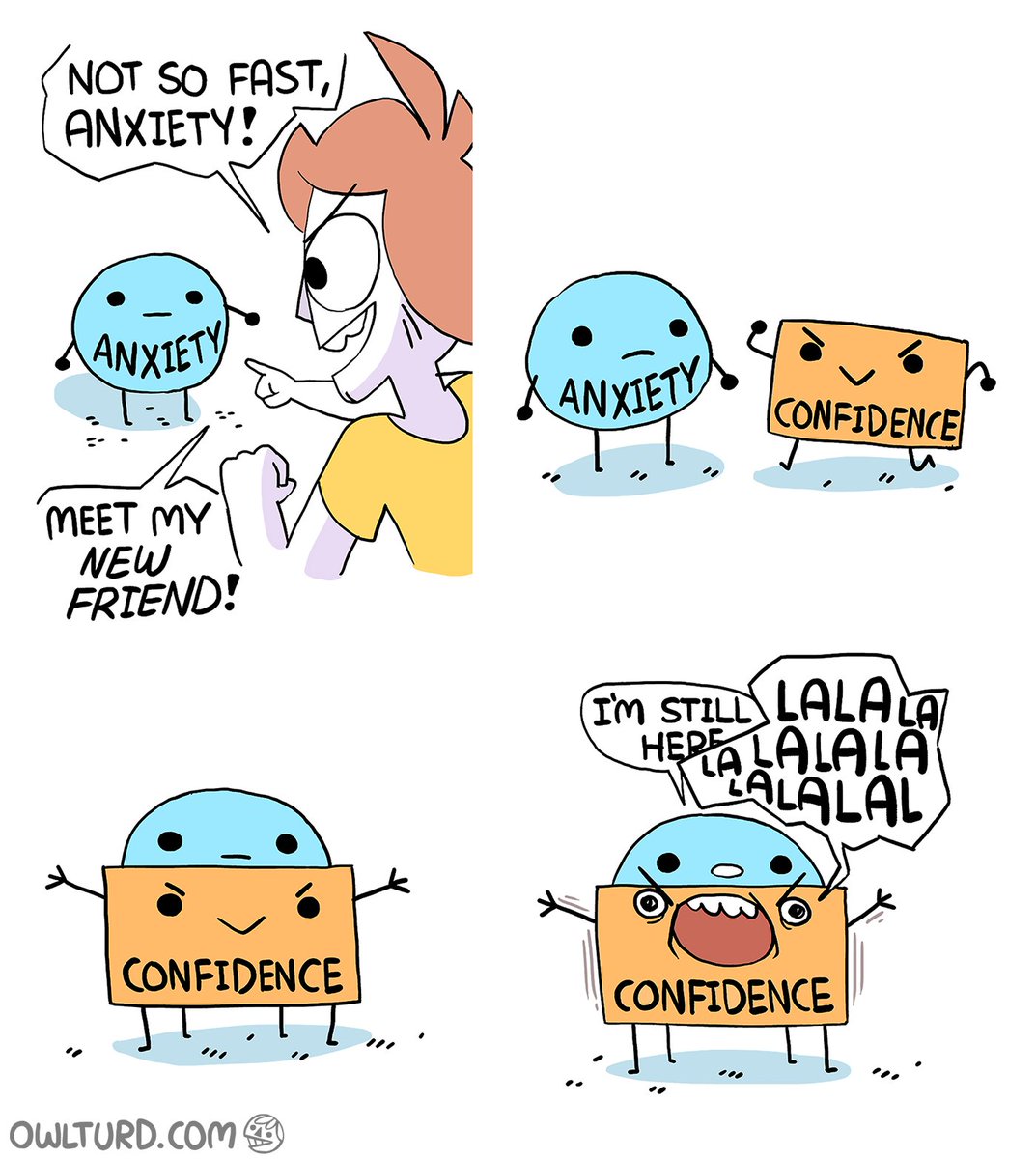
This next challenge was unexpected - I will say it took me like 2 weeks to overcome being intimidated (don’t laugh!). I mentioned above that I realized I was among experts. Additionally, some preceptors are very big and well-known people in their respective fields. My particular preceptor definitely falls into that category. And then there’s me, a tiny little pharmacy student who knows next to nothing and has never had an inpatient rotation. I definitely let that hinder my confidence a lot. But I eventually got comfortable enough to see that preceptors are real down-to-earth people too who really want to see their students grow and learn. I’m speaking to anyone reading this who feels crippling self-doubt, lack of confidence or discouragement – it’s okay and natural to feel that, but it’s also worth it to work towards loosening up and learning under a growth mindset. Definitely something I’m trying to develop as I go along.

I also want to say that I grew a ton personally. The reason I’m sharing all of this is because I want to be real here. I still remember during that first week, I drove home crying because I didn’t think I could handle the rotation (it was raining a ton and thankfully I didn’t crash into something). I was overwhelmed, sleeping like 4 hours a night, feeling like I was a disappointment to everyone including myself. Basically I felt like the biggest hot mess ever. In hindsight, I realized that I placed unreasonable expectations on myself – thinking that if I didn’t become some sort of ID expert after my month in Detroit, then something was wrong with me and I wasn’t working hard enough. But I realized the more important thing for me as a student might not necessarily be to focus on retaining and regurgitating all of that knowledge, such that I would get it right and win at life all the time. Instead, perhaps the more important thing is to learn how to ask the right kinds of probing questions. Because in the end, I’m pretty sure that the discipline of learning how to ask the right questions will set the foundation for further growth and learning.

OVERALL, this rotation shows me that some of the best things are indeed hard-won. This was an extremely challenging but exciting and rewarding experience. The reason why I say that this rotation was mind-changing is because of how unexpected it was. I went into it thinking that ID was kind of a static field, without the fast-paced changes I had come to see with something like Heme/Onc. Thankfully I was wrong. ID is one of those fields where you have to be very up to date all of the time. Resistance is a very real concern. And any recommendation you might make regarding an antibiotic now, has the potential to affect other patients in the future. To me, that’s kind of exciting and it makes me hungry to learn more…I'm a week out from this rotation but I already miss it so much. I would definitely recommend ranking an ID rotation in Detroit for any student that might be interested. 


If there are any questions, just shoot me an email (jsphntan@med.umich.edu)! And for a different take on this same rotation, please see a previous student’s post (Jared Borlagden).

For now, it’s off to rotation 3 – health systems!

Wednesday, August 10, 2016

Rotation 2: Siiiick, brah! Or, Love at First CABG

Posted by Unknown at Wednesday, August 10, 2016

I've been consistently told that after each rotation, as in the Hozier song "Someone New," you'll fall in love just a little ol' little bit every day with some new pharmacy practice area [sic].

That happened for me in the Surgical Intensive Care Unit, or SICU, aptly pronounced as it houses the most critically ill patients in the hospital. I had the awesome opportunity of rotating at a newly dubbed Level 1 Trauma Center in a 20-bed unit comprised of patients from the Trauma Critical Care Service (TCCS) and Cardiothoracic Surgery Service (CTS): trauma surgery, cardiothoracic surgery, neurosurgery, vascular surgery, colorectal surgery, general surgery, otolaryngology, obstetrics, and orthopedic surgery.

Surgery isn't covered in our didactic curriculum, so I started the first day as a total derp (Deer in headlights with Extreme anxiety and Retrograde amnesia of Pharmacology). Thankfully, my preceptor reassured me that every P4 student feels the same way at first, and that I'd learn exponentially more on rotation than I ever did in class.

Pro-tip to avoid being a derp at any inpatient rotation: get familiar with your organization's intranet. Like, be best buds with that guy. An intranet is an electronic and readily available Room of Requirement. My personified conversations with the intranet went something like:

"How's the susceptibility to Bactrim here?"
"BOOM."

"Yo, can we get rid of the IV PPI?"
"I got 99 million guidelines and Stress Ulcer Prophylaxis is one."

"Are any of these 14 drugs dialyzable?"
""

What was a typical day like?
I arrived at 6:30 to work up patients until rounds. Once we had gauged the number and acuity of the patients on the floor that morning, my preceptor and I would round with either TCCS at 9:00 or CTS at 8:45. TCCS is a teaching service that consists of an attending surgical intensivist, surgical critical care fellow, surgical and medical residents, a clinical dietician, a respiratory therapist, nursing, and a clinical pharmacist on rounds, whereas CTS is physician assistant-led. Side note: the health care professionals I worked with are truly impressive. Many of them are nationally renowned in their respective specialties, and the cardiac surgery program here ranks in the top 15 in the nation (among 400+ other hospitals' Consumer Reports' Ratings).

After rounds, which lasted anywhere from an hour to several hours depending on how many patients were on the service, I would often bombard my preceptor with a myriad of questions. Side note: the thing about being curious and wanting to learn is that it'll almost always result in self-assigned drug info questions, which present as both a curse and a blessing in disguise. I encourage you to embrace this curse.


I had 1-2 critical care topic discussions each day with my preceptor before and/or after lunch, which helped keep me on my toes. In the afternoons, I'd re-work up my patients to see what changes were made after rounds and/or any surgeries and give patient presentations to my preceptor.

What neat stuff did you get to see?
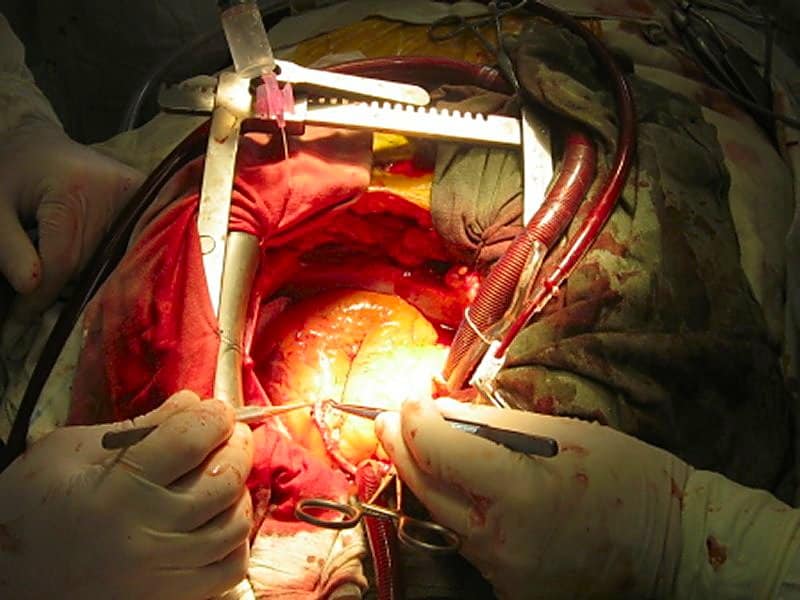
Neutropenic enterocolitis, esophageal rupture, necrotizing pancreatitis, aortic dissection, traumatic brain injury, motor vehicle accidents, buzzword buzzword. Also got a bird's eye view of a coronary artery bypass graft (CABG) and saw a lower lobectomy.


What do you wish you knew going into the rotation? How can I prepare? Clinical pearls? Coffee choice? HALP

I finally realized that having a wealth of education as a P4 student isn't necessarily what leads to success. Initially, I was mortified by my extreme deficit of therapeutic knowledge. But while pharmacists need to know a lot of information, they don't necessarily have to memorize every detail of every drug ever made (just most of them, ha!). Pharmacy school can't teach you everything you need to know in 3 years. What it can do is teach you how to think like a pharmacist and how to find the information you need to facilitate patient care.

Something you don't learn from a textbook is how to interact with the medical team to optimize treatment. I've decided that I need to create some sort of cheesy alliteration to help others combat this, and I hereby give you the three C's:
  1. Confidence: You can be incredibly informed on a certain subject and still appear as unintelligent if you're visibly nervous. Some of my battles during this rotation were convincing myself that I actually did know what I was doing and beginning to speak up during rounds. Certainly don't rattle off about something you're not 100% sure about—that's what the "I'll look it up and get back to you" card is for. But speak with conviction, and more people will take heed of your recommendations (even if you're a student who's rounding alone!)
  2. Camaraderie: If you don't get along with the people you work with, team decision-making is going to be as productive as a day in the life of Snorlax. I had the opportunity to talk to PAs, nurses, residents, patients, and their families about things unrelated to work (like Ann Arbor restaurants and mutual desires for caffeine gtts). Walking up to someone, being personable, and making a recommendation face-to-face is much more effective than paging someone in what might be interpreted as a passive-aggressive tone. 
  3. Credibility: You know who you should add to your BFF list along with the intranet? Evidence-based medicine (EBM). EBM is the realest thing you'll use to stay up to date with pharmacy after you've left the classroom. Your recommendations will be more compelling if they're supported by well-designed, peer-reviewed research. Keep up to date with the lit—there's an app for that. 


Actually, instead of using cheesy alliteration, you could probably just refer to Aristotle's Modes of Persuasion. (Man, this is like when 14-year-old you thinks you've come up with a catchy guitar riff and it ends up being a Fratellis song because you've listened to Costello Music religiously).

Anyway, these skills really made me feel like a boss as time went on. For example, when a traumatic brain injury patient was newly admitted, I reviewed the patient's profile and discussed 5 interventions I wanted to make with my preceptor before rounds. Sure enough, all of them had been implemented when I checked the medication administration record (MAR) later that day. *mental self-high five*


Any cool pharm perks?
Someone ALWAYS brought in donuts or brownies or chocolate or D) all of the above to share. I'm not a huge sweets person, but the constant supply of glucose I was exposed to was unreal.

I also lunched and learned so hard. Besides the fact that I got free food each Thursday (heyooo), I saw cool presentations about medical decision making for organ donation, ventilator settings and the importance of checking the ABG (arterial blood gas, not aznbbygurl) and M&Ms. M&Ms (Morbidity and Mortality Conferences) are an Accreditation Council for Graduate Medical Education (ACGME) mandated educational series that occur regularly at all institutions that have residency training programs. The medical team reviews real patient cases involving either poor or unintended outcomes which might have been due to or worsened by error, "near misses" in which an error could have resulted in a poor outcome, or interesting and unique cases. Then, they discuss what went wrong, what could have been done differently, and what can be done to prevent such events from occurring in the future. Super sick stuff.

In addition to my day-to-day activities, I wrote antimicrobial stewardship notes, conducted a journal club, and delivered an in-service about the pharmacologic management of pain, agitation, and delirium in the ICU to the CTS team. Overall, this was a great practice site at which clinical pharmacists work alongside and are respected by their colleagues. I'm pretty stoked for my next direct patient care gig. As Hozier says, "Love with every rotation, the stranger the better." 

Monday, August 1, 2016

Rotation 2 - Infectious Diseases at UMHS

Posted by James Shen at Monday, August 01, 2016

I finished up my second rotation with the infectious disease consult service at UMHS, and it was definitely quite the experience. We have an excellent team of infectious disease pharmacists at the University of Michigan, and you will undoubtedly learn more about antibiotics, antifungals, stewardship, and other infectious disease related topics than at any other rotation. Make sure you review your bug-drug list, brush up on your pharmacokinetics, and put on your stewardship hats – because you will be in for a very challenging, yet rewarding rotation!

 Infectious diseases functions primarily as a consult service at UMHS, which means that we have no specific unit to which we are assigned to. Any patients that have complicated infectious cases are referred to our team, where we will review their antimicrobial regimen and determine if any adjustments need to be made. Throughout my time on the service, I was able to see many unique cases, including patients with HIV, mucormycosis fungal infections, gangrenous toes and fingers, gunshot wounds, amputated limbs, and more. Sometimes the infectious causes were obvious, whereas other times I really had to dig deep to find out what the true source of a patient’s infection was.

Morning Routine
A typical day on rotation would start with me working up patients in the morning that were assigned to our particular consult service, which would usually amount to around 15-20 patients per day. Some patients would remain on the service for weeks, and I got to know their cases in-depth as I followed up with them each day, whereas other patients came on the service and were signed off within hours. Once I had a solid grasp on several patients on the service, I would meet up with my preceptor to discuss each of the cases. Sometimes, a topic would come up that would warrant a further topic discussion for the next day, such as the use of linezolid with SSRIs, or the use of carbapenems in patients with penicillin allergies. After going through the patients with my preceptor, we would discuss if any changes needed to be made to their regimen based on their clinical status, culture results, or any other relevant factors. We would then start our afternoon rounds, which typically lasted from 1 pm until 4 pm.

Rounding
Rounds were typically preceded by something called “Micro-rounds,” where the team would meet in the pathology lab and we would have a brief topic discussion about some microbiology topic. After that, we would head up to the floors to begin our actual patient rounds. The rounding team is large, and it typically consisted of at least one attending physician, an ID fellow, a medical resident, a medical intern, a fourth-year medical student, the fourth-year pharmacy student, and occasionally the ID pharmacist. Prior to entering the patient room, one of the team members would present the patient case to the attending, and we would then have a discussion about what we think needed to be done. Don’t be surprised if the team turns to you and asks for a dosing recommendation during this whole process - the team will take your dosing recommendations very seriously, so make sure you do the proper research beforehand about each of the patients on the service!

What else?
In addition to rounds, I attended various weekly meetings, which included stewardship meetings, weekly reports, and ID grand rounds. The weekly reports were my personal favorite. We would meet early in the morning, and one of the ID fellows or ID physicians would present 2-3 interesting, complex, or unsolved cases from the previous week. It was always interesting to hear the ID team’s thought process as they tried to narrow down a patient’s diagnosis, and discuss all the possible differentials that may be contributing to a patient’s clinical symptoms. I also attended various other meetings on and off throughout the rotation, including an infection control meeting (where we discussed environmental and non-pharmacological ways to reduce infection spread in the hospital), and a P&T committee meeting (where we discussed changing some of our ID guidelines).

Other student responsibilities during this rotation included monitoring patients on restricted antimicrobials (ex: fidaxomicin, meropenem, micafungin), and determining whether or not their use was appropriate. I also participated in ID stewardship, where I assessed patients that had S. aureus bacteremias, C. difficile infections, or HIV infections. Finally, I did a lot of reading of primary literature, and I gained a much better understanding of how to properly interpret, analyze, and critique the literature. I would often be assigned one or two landmark trials per week, and then I would meet up with my preceptor to discuss each of them in depth (ex: statistical analysis, inclusion/exclusion criteria, flaws in study designs, implications for practice, etc.)

 Overall, I learned a lot on this rotation about what it means to be an infectious disease specialist. This was a topic that I greatly enjoyed learning about in therapeutics, and I would highly recommend this for anyone that is interested in learning more about it. Even if you are not interested in pursuing a future career in ID, I think this rotation really gives you a solid foundation that will undoubtedly be useful for any future clinical rotations.

Wednesday, July 27, 2016

Two Professions at Once: Surgery Generalist

Posted by Unknown at Wednesday, July 27, 2016

After my first rotation at a local community pharmacy I was finally due for my first clinical rotation--generalist. This rotation is required for all University of Michigan pharmacy students and (looking back) a great way to kick off my clinical experiences. A few weeks prior to my assigned block we got a survey asking us to rank which generalist sub-specialty we were most interested in. We could choose between Internal Medicine (pediatric and adult), Surgery, Cardiology, and the pediatric intensive care unit (PICU). Before long, I was assigned to Surgery.

I had no idea what to expect. Surgery (of any type) is not exactly something that we cover in school and while I find it fascinating I had zero practical knowledge about how to manage these people. To be honest, I knew very little about how to manage a 'regular' patient, let alone one that we've gone in to and moved a whole bunch of things around.

Due to the way that preceptor schedules worked out, I spent three weeks with a general surgery unit and the remaining two weeks with a urology surgery unit. The units work a little differently:

A Day In the Life on General Surgery

Arrive at 7 AM to begin working up patients. I live on the south side of campus but the buses come every 10 minutes and there is virtually no traffic. For the general unit there are no formal rounds that pharmacy is a part of (they happen at 5 AM!). As a consequence, we meet with the Physician's Assistants that are doing most of the day-to-day clinical management around 11 AM to discuss our interventions. This meant that I would work up my patients until about 9 or 9:30 AM, then meet with my preceptor. We made a point of staying out in the conference room where the medical team worked to be accessible for drug related questions. We would walk through each patient, each problem, and discuss what information we needed (usually the people who knew were right behind us!) and why, then make recommendations accordingly.

Surgery patients are challenging in that every third word is a strange surgical term or acronym. Down the literature rabbit hole I would go to find out what is going on and determine how their medications might be affected. Regardless of the procedure, the four main areas we focus above and beyond the typical dosing, safety, and interactions are home medications, nutrition (pharmacy owns IV nutrition like TPN and PPN), anti-infectives, and anti-coagulation.

By the time that process was finished it would be 11 AM or so and I would have a dozen things to follow-up with patients and nurses, disease states to look up and apply guidelines or literature to, drug-information questions to research, as well as counseling and education to complete.

Somewhere in there, I would take 20 minutes for lunch before meeting back in the pharmacy for a quick follow-up with my preceptor and discuss our plans before jumping into a one-on-one topic discussions with one of the surgery pharmacists. We covered a wide range of topics from toxicology to common procedures for X, Y, or Z disease state, infectious disease and much, much more.

This would be immediately followed by a student led topic discussion, case presentation, or journal club (we each had an assigned afternoon for each of those three things spread out over the five weeks) that wrapped up the day around 3:30 PM.

A Day in the Life of Urology

Urology works a little differently. They also have general rounds that pharmacy does not participate in directly, but instead have interdisciplinary rounds led by the urology intern/fellow around 8 to 8:30 AM. I would quickly look over my patients beforehand (not a full workup) to see if there were any major, urgent issues to review before briefly meeting with my preceptor to discuss things before heading upstairs to rounds. These are primarily an information gathering session--notes in the electronic medical record can often be a day behind so these allowed us to get up-to-date on the plan and goings-on for each patient in our service. Any major questions we have are answered (and we get a fair number of questions ourselves!) before heading back down to report out. A full workup of each patient follows, along with the same walk-through-each-patient as before, go talk to the team as before, and a dozen things to look up and follow-up on as before.

There is still room for lunch before the afternoon progresses just like before with topic discussions, case presentations, and journal clubs.

In each case, there are usually a handful of things to finish during the evening hours, but never so many that you can't hit the gym, relax a little, get some other work done, and make dinner before getting some rest and doing it again the next day!

--

Now on my last few days, I can safely say that I have learned an enormous amount and that this is a fantastic springboard for my next rotation: infectious disease! See you again soon!


Tuesday, March 26, 2013

March Madness with the Medicineheads

Posted by mariarx at Tuesday, March 26, 2013

Internal medicine - where specialists go to die. Ok, maybe not die, but definitely expand readily available therapeutic knowledge.

Rotation 8 had me back at UMHS for internal medicine with Dr. Regal. I know the saying is "jack of all trades and master of none" but this does not apply to Dr. Regal. He is more master of all trades. It's kind of scary sometimes. Internal medicine stretched my immediate memory of random bits of drug information, ways of getting the team to follow my recommendations, and not falling asleep on rounds after not having slept well.

Walking circles on rounds
My day usually started with working up patients. On a good day I only had 4-5 patients... bad days had me around 14-16 patients. I would check out doses, indications, labs, relevant drug levels, and their past medical history/reason for hospital stay.

The medical team (shout out Med Dock!) really utilized having a (future) pharmacist on hand to help with dosing and drug selection. I loved working with them, and I really felt useful and a major part of the team. I also felt like a butcher sometimes, chopping down options I knew weren't ideal before they got to Carelink. I'm looking at you, fluoroquinolones. I was also responsible for anticoagulation monitoring, teaching, and documenting. Any time a patient was started on warfarin, LMWH, or UFH we had to be on it. Warfarin INR monitoring is a fickle thing, especially with the bazillion drug interactions you have to look out for. We had a few interesting anticoagulation patients including someone with antiphospholipid antibody syndrome. Quite the tongue twister.

The Bench Test
One thing I heard about, and was scared of, coming in was the idea of the Bench Test. Dr. Regal wants to know how much we've crammed and retained through 5 weeks; and that comes in the form of a written and oral exam. The stack of articles looks pretty daunting, but it's not so scary once you find yourself actually using the information and giving references to justify recommendations to the team. I'd say the worst part was the oral exam - sitting at a table watching Dr. Regal scratch notes down while you're trying to recall a tiny detail from one article that is at the edge of your memory. But, I survived!

The End
On the first day Dr. Regal said that his rotation is built to prepare P4s for the intensity of residency training. As daunting as that was I'm grateful for it. I think I'm a bit less scared about the next 2 years knowing that I can do well in a clinical setting and that I have been prepared by a great clinical pharmacist.

To future P4s - Dr. Regal's rotation sounds scary, but isn't in the end. Start practicing your jokes!

Wednesday, July 18, 2012

Dipping my toe in the clinical pool

Posted by mariarx at Wednesday, July 18, 2012

So, my first rotation was health system administration with Dr. Brummond. I learned a TON during my 5 weeks with him - but very little of it was clinical. My interactions regarding medications maxed out at "which meds are on shortage and what do we switch to?"

For my 2nd rotation, I am at Providence Park Hospital in Novi, MI with the peds/oncology clinical pharmacist Missy. It's a pretty small hospital, around 200 beds, and has been open for 4 years now. Pharmacists at PPH take on an interesting role, with some duties falling into classic inpatient order verification; while others fall into antibiotic kinetics/anticoagulation monitoring. The great thing about it is all the pharmacists do everything. There is very little split between clinical/order verification roles.

My first week at PPH was spent mostly with technicians - messenger, IV room (where Frank threw me right in), packager, etc. I also got to spend some time with the OV pharmacists and checking orders that came through. I quickly learned to have lexicomp on stand by to look drugs up that I didn't recognize or know the dosing for.

Week 2 was half pharmacist shadowing and half reviewing kinetics. Oh boy, that was a doozy. Being handed a stack of practice cases and an equation sheet took me right back to P3 first semester therapeutics and Dr. Nagel's exam. Going through my practice problems was a test in frustration and insanity. No matter what I tried, I never seemed to get the right number, and man were my peaks and troughs all over the place. After making me suffer for a couple days, my pharmacist handed over the handheld PCs that have the nifty PK calculators on them. Although, I think I'll have to do some kinetics problems every once in a while so that I don't forget it completely. It's somewhat comforting to know that 'real pharmacists' use the same equations we got in class.

Week 3 was probably my favorite. In addition to starting 10 hour shifts (woo 3 day weekend!), I also started ICU rounding. At PPH, the OR/critical care and metabolic support pharmacists split ICU rounding duties. Each day of rounding started off with printing out a rounds summary report of all the ICU patients, and then going through their profiles and MAR compiling the big picture. The first day of rounding, it took me the full 3 hours to go through my patients. During this week I usually had lexicomp, micromedex, Dr. Carvers bug-drug list, wikipedia, google, and dosing nomograms on standby at all times. I was constantly looking things up and writing little notes down. Rounds each day varied from 1 hour to 2.5 hours depending on the intensivist, number of patients, and any unforeseen circumstances that arose. My second day, rounds started an hour late since the doctor was at a code (on a patient that soon joined us in the ICU). The 4 days of ICU rounding were great, and make me even more excited for my ED rotation in October.

This week has been all about antibiotic kinetics and anticoagulation monitoring. Pharmacists at PPH monitor drugs such as vancomycin, aminoglycosides, heparin, warfarin, rivaroxiban, and dabigatran. I got to work up initial doses for these drugs, and then do follow up monitoring for the rest of the week. This is where I really feel the pain of paper charts. PPH is half electronic and half paper. So, each day when we work up coumadin doses, or dose vancomycin or gent we have to then troll through the hospital to find our patient's charts. I haven't had too much trouble with it so far, but I can only imagine the frustration of a floating chart when all you want to do is add a quick note.

Next week (holy crap, I can't believe it's already week 4) I'll be working on TPNs with Maria, the metabolic support pharmacist, spending a day in the OR (I asked my preceptor Missy for blood and guts), and giving my final presentations. My projects for this rotation included making a formulary review document for Exparel, updating chemotherapy drug info sheets, and my journal club topic.

I have really loved my time at Providence Park. The smaller hospital setting might not have the super crazy cases, but for an institutional rotation I have gotten to do a lot of different things. This has definitely been great practice leading up to my generalist rotation which I have next at UM. I also really like the camaraderie among the staff... a lot of the techs, pharmacists, doctors, etc have been with St. John Providence for a long time before moving to the new site; and having such a small staff means you really know everyone. The only thing I won't miss about PPH is the drive - curse you one lane roads!


Sunday, July 1, 2012

My Levofair with Internal Med

Posted by David Plumley at Sunday, July 01, 2012

I knew that these five week rotations would go fast but I did not realize just how fast until I looked back a few days ago and I always already done with my first rotation.
To say I learned a lot on from Dr.Regal, Charles in charge, and the members of the Medicine Dock team would be an understatement.  Most of my learning came on the fly during rounds.  Once my team members became comfortable with me and confident in my pharmaceutical knowledge they would ask me questions about almost every patient.  Most of the time I would reply with my favorite phrase, "let me look into that and get back to you" and then do some research of my own, as well as discuss the topic with Dr.Regal, in order to come up with the best recommendation.  However sometimes thanks to the knowledge I acquired from therapeutics and the confidence I gained from this rotation I was able to make a recommendation on the spot.  Most of the recommendations I made involved antibiotics (dosing, optimization, duration, and toxicity), anticoag(warfarin dosing, Lovenox bridging, and the occasional Dabigatran), and optimizing chronic therapies.
The therapeutic and medical knowledge I acquired is very important, but maybe more importantly I learned confidence and how to operate with the medical team.  It took some time for me to understand how rounds work and how to best contribute but once I did I was able to participate in my own active learning even more.
The most valuable advice I can give to students getting ready for their clinical rotations would be to pay attention to every patient on rounds, learn from the discussion the team may be having even if you may not be responsible for that patient, look up everything you aren't sure about, and to work with your team.  We have all heard this before during orientation but it is most definitely true.  
One of the most difficult parts of having a clinical rotation first was my unfamiliarity with much of the medical terminology, but by writing everything down and looking it up later I was able to learn more than I thought.
It wasn't all work however.  Many of you might not know this but Dr.Regal is quite the wordsmith and poet.  He shared with us 2 poems he wrote about protecting fluoroquinolones (one of his favorite past times) and ending levofairs and ciproflections.  I will try to get copies of these so I can share them with the world.
Before I finish today I would also like to give you a quick intro to my next rotation.  I started this past Monday at Karmanos Cancer Center located in the Detroit Medical District.  This is an ambulatory care rotation focused on bone marrow transplant.  I am excited for this rotation since I have an interest in oncology/hematology.  My preceptor is Dr. Simon Cronin, the former preceptor of our very own Dr. David Frame, which makes me semi nervous.
So far in my first week I am getting accustomed to the work flow.  I spend most of my day doing med recs, some patient education, and have opportunities to shadow Simon as he works.  The clinic has approximately 2 MDs, 4 NPs, Simon.  The 2 Wayne State students I am partnered with and myself play an important role in searching out drug therapy issues and bringing them to the attention of the other clinicians.
I will update you on how this rotation goes in a few weeks.


Sunday, March 25, 2012

Infectious Disease at UCMC

Posted by Eric Zhao at Sunday, March 25, 2012

How fitting. I've caught an infectious disease on my infectious disease rotation at the University of Chicago Medical Center. My remedy? Lots of water and lots of sleep. Unfortunately, this is not the case with the patients on this service.


University of Chicago Medical Center

Infectious Disease (ID) Consult Team
The team I'm on consists of an 1) attending physician, 2) ID Fellow, 3) medical residents, 4) medical students, 5) ID pharmacist, 6) pharmacy resident, and 7) and yours truly, the pharmacy student. Without fail, other healthcare professionals comment on the size of our team. As a consult team, we cover the entire hospital with answers (hopefully) to anything related to ID. Some examples include what antibiotic to recommend, how to address a bloodstream infection, or how to narrow therapy to specific cultured/suspected bacteria.

Typical Day
8am - 10am Work up patients prior to discussing with my preceptor. Sometimes the list can consists of many patients (high score of 28 in one day!), so you mainly focus on what pertains to ID:
  • Reason for consult
  • History of Present Illness
  • Allergies
  • Complete Blood Count (mainly white blood cell count and platelets)
  • BUN/Serum Creatinine/Creatinine Clearance
  • Antibiotics
  • Drug Monitoring (e.g., levels for Vancomycin and aminoglycosides
  • Microbe cultures and sensitivities
  • Assessment and Plan


Selling this template for $5 to future students on an ID rotation

10am-12pm Discuss patients with preceptor with any concerns or suggestions. Typically, she'll ask how you would narrow therapy or how the vancomycin/aminoglycoside levels look.

12pm-1pm Follow-up with patients and clarify any questions (and lunch)

1pm-3pm Discuss patients with full medical team

3pm-5pm Medical team visits any patients that we want to see, especially new consults.

Mix this schedule in with intermittent topic discussions, ID conferences, and Pharmacy Grand Rounds for a taste of what ID can offer. Now, to get rid of this nagging cough...

-Eric Zhao

Thursday, September 1, 2011

Live on the Verge of Death

Posted by Nicki Baker at Thursday, September 01, 2011

I’ve worked at Select Specialty in Ypsilanti a couple of times in the past when I filled in as a technician and I’m excited to be spending my second rotation there. Select is a long-term acute care facility located on the campus of St. Joseph Mercy Hospital and cares for patients with complex medical needs who require an extended hospital stay. Many of them are on ventilators, PEG tube feedings and IV antibiotics. They’re currently at capacity, caring for 36 patients.

I generally start the day by checking INRs for patients on warfarin. Select has a combination of electronic and paper charts, so I can get lab values from the computer but have to go to each patient’s room to check the MAR to be sure they were given the warfarin dose they were supposed to have received the previous evening. Based on the patient’s INR trends, I decide whether to continue them on their current dose or to make a change. Since I’ve been there about a week now, I’m starting to see the impact of the changes I’ve made. It’s really fun and gratifying to see patients become therapeutic or to be moving in the right direction based on decisions I’ve made. I’m also enjoying writing orders for warfarin and lab draws, which pharmacists at Select do per established protocols.

Antibiotic stewardship is another of pharmacy’s responsibilities at Select. Checking culture results and making sure all antibiotics have reasonable stop dates is part of the student’s job. I’m glad that I’m getting a chance to work with antibiotics a bit more since it’s an area I need to improve in.

Working with this population really makes you appreciate your health and the health of your loved ones. A lot of the patients are very old an ill, but some of them are younger and trying to recover from falls, accidents or infections. Many of them will improve and be transferred to a skilled nursing facility, inpatient rehab or even be discharged home, but for others, this will be their last stop. It’s difficult to see some of these people struggle, but even more difficult to watch their families make tough decisions. I guess what these patients are going through could best be described as living on the verge of death.

It appears difficult for physicians to let these patients go, even when it feels like the time has come. It seems to be against their nature, like they're admitting defeat. As healthcare professionals, we've devoted ourselves to preserving and extending life, so being ok with letting a patient pass away feels contrary to what we've been taught.

Still, the respiratory therapists, physicians and PAs, occupational therapists, nurses and pharmacists at Select take great care to do what’s best for patients and families. Some really amazing stories of recovery have come out of this place. A woman who nearly passed away from a terrible case of H1N1 stopped by to visit yesterday. It was obvious that she had a real connection with the staff who cared for her during her stay at Select and she was doing great.

This blog is becoming a blab. More later!